
Custom Fitness Bands for Corporate Wellness Programs: The Complete Australian Buyer's Guide
Discover how custom fitness bands can elevate corporate wellness programs in Australia — with tips on sourcing, branding, MOQs and supplier selection.

Written by
Dane Santos
Branding & Customisation
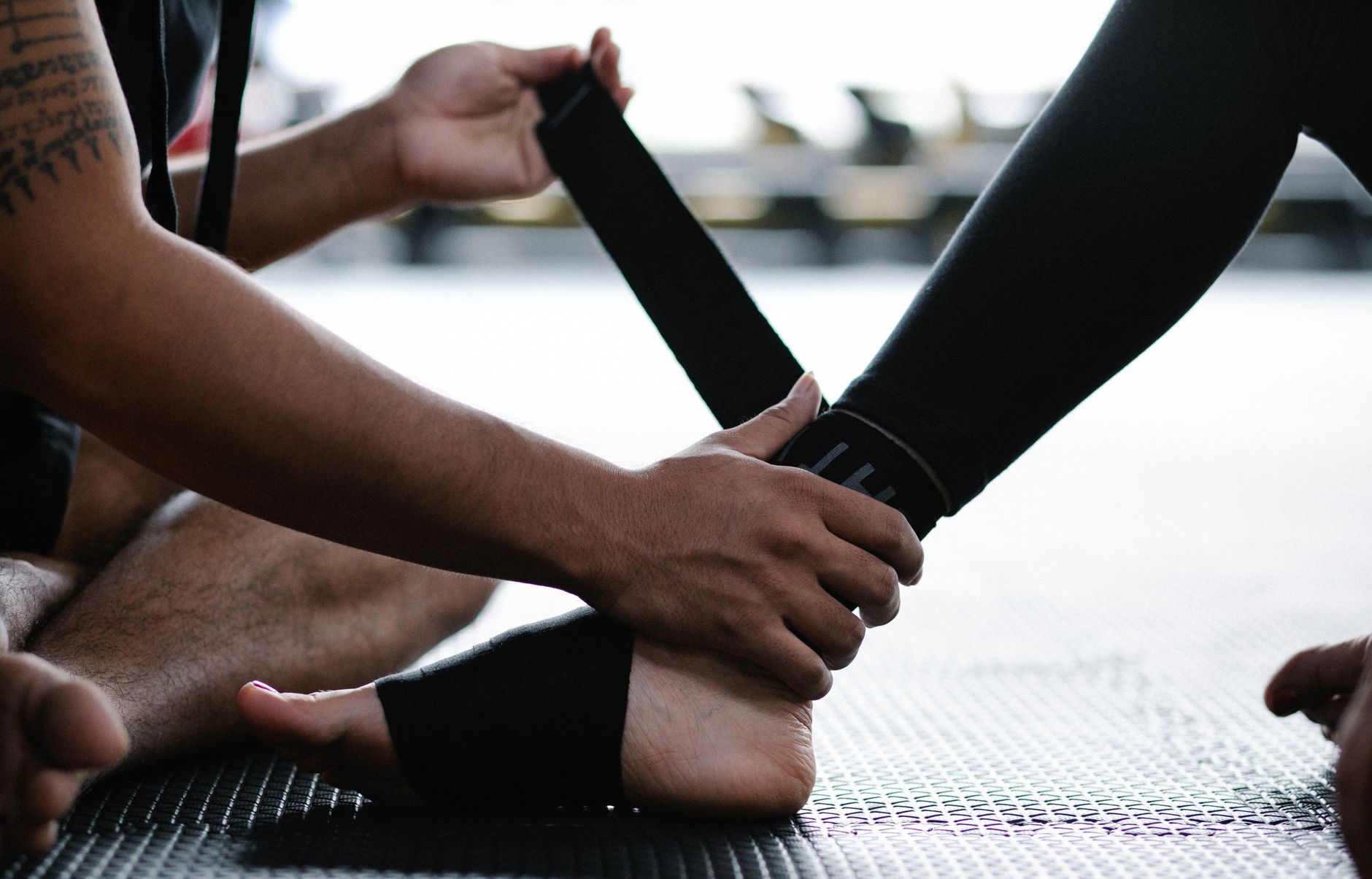
Choosing the right promotional products for a corporate wellness initiative is genuinely challenging. There are hundreds of options on the market, budgets to manage, timelines to hit, and — most importantly — employees or clients who actually need to use the item for the program to succeed. Custom fitness bands have emerged as one of the most practical and impactful choices for Australian organisations running workplace wellness programs, and it’s easy to understand why. They’re functional, wearable, highly visible, and carry a clear health-positive message that aligns with what forward-thinking companies across Sydney, Melbourne, Brisbane, and beyond are trying to achieve. Whether you’re a marketing agency sourcing merchandise for a corporate client, a reseller building out your wellness product range, or an HR team looking to launch a wellbeing initiative, this guide covers everything you need to know.
What Are Custom Fitness Bands and Why Do They Matter for Wellness Programs?
Fitness bands — also called resistance bands, silicone wristbands, or activity tracker accessories depending on context — span a wide product category in the promotional space. For the purpose of this guide, we’re primarily covering two distinct types:
Silicone wristbands with custom branding: These are slim, moulded silicone bands worn on the wrist. They’re low-cost, available in a huge colour range, and ideal for mass distribution across large corporate wellness campaigns. Think step challenges, mental health awareness weeks, or charity fun runs.
Resistance and exercise bands with branded packaging or tags: These are functional fitness tools — latex or TPE loop bands, tube resistance bands, or flat stretch bands — packaged with custom-branded headers, tags, or carry pouches. They’re a stronger gift option for premium corporate wellness kits.
Both types serve a legitimate purpose in a well-rounded wellness program, and many organisations opt for a combination. A Perth mining company might include branded resistance bands in an onboarding wellness pack, while a Sydney fintech firm might distribute silicone wristbands to 800 staff during a step-counting challenge.
The key reason these items work so well is relevance. Unlike a branded pen or USB drive, a fitness band is directly tied to health — the very thing wellness programs are trying to promote. They carry your logo into gym sessions, morning walks, and home workouts, creating repeated brand impressions in a positive, health-positive context.
Choosing the Right Type of Custom Fitness Band for Your Program
Before you brief a supplier or request samples, it’s worth spending some time defining exactly what outcome you’re trying to achieve. The product category is broad, and the right choice depends on a few key variables.
Scale and Budget
Silicone wristbands are undeniably the most cost-effective option. At higher volumes — say, 1,000 units or more — you can typically achieve unit prices well under $2.00 each, making them viable for large-scale all-staff distributions or event giveaways. Resistance band sets with branded packaging sit at a higher price point, often ranging from $8 to $25+ per unit depending on quality and customisation, but they offer a far more premium feel.
For smaller wellness programs with tighter budgets — a Hobart-based not-for-profit running a community wellbeing day, for instance — silicone wristbands provide excellent value and can be produced in smaller minimum order quantities (MOQs), sometimes as low as 50–100 units.
Decoration and Branding Options
How your logo and messaging appear on a fitness band matters more than many buyers initially realise. For silicone wristbands, the three most common methods are:
- Debossed: The text or logo is pressed into the silicone, creating a recessed impression. Clean, classic, and durable.
- Embossed: The design sits raised above the band surface. Slightly bolder visual impact.
- Colour-filled debossed: The recessed design is filled with contrasting colour — great for brand colour matching.
- Printed: Ink printed directly onto the surface. More detail possible, though less durable under heavy wear.
For resistance bands with branded packaging, digital printing, screen printing, or laser engraving on accessories like carry pouches and tags are the standard approaches. If PMS colour matching is important to your client, confirm this with your supplier upfront — not all print methods support it precisely.
You can learn more about how different production techniques affect the final product in our overview of material innovation trends in promotional products.
Functionality vs. Symbolism
This is a distinction worth making clearly. A silicone wristband is primarily symbolic — it communicates participation, solidarity with a cause, or membership in a wellness challenge. A resistance band is functional — it’s a tool someone will actually use in their workout. Both have a legitimate role in corporate wellness, but they deliver different messages and different experiences to the recipient.
Sourcing Custom Fitness Bands in Australia: What to Look For in a Supplier
Finding the right supplier is where many businesses and resellers struggle, particularly when sourcing branded wellness products for the first time. Here’s what to prioritise.
Turnaround Times and Lead Times
Most Australian suppliers for custom silicone wristbands can deliver within 2–3 weeks for standard orders, assuming artwork is approved promptly. Rush turnarounds of 5–7 business days are sometimes available at a premium. Resistance band sets with custom packaging generally require 3–5 weeks, particularly if items are manufactured offshore and shipped in.
If you’re working to a corporate event or launch date — say, a Melbourne company kicking off a July wellness month — always build in buffer time and confirm the production and freight timeline before committing to a supplier.
Minimum Order Quantities
MOQs vary considerably by product type and supplier. For silicone wristbands, 50–100 units is a common minimum for offshore-produced stock, while some locally stocked options allow smaller runs. Resistance band sets tend to have higher MOQs — often 100–250 units — because of packaging customisation requirements.
Resellers sourcing on behalf of clients should factor MOQs into the initial client brief so expectations are set early.
Artwork and Proof Requirements
Reputable suppliers will always provide a digital proof before production begins. For silicone wristbands, this is typically a simple layout showing text and logo positioning. For resistance band sets, you may receive proofs for multiple components — the band itself, header card, carry pouch, and any sticker labels.
Ensure your artwork files are supplied in vector format (AI, EPS, or high-resolution PDF) for the cleanest print results. Bitmap images or low-resolution logos will cause production issues.
Quality Certifications and Safety Compliance
This is particularly important when sourcing latex resistance bands, as some users have latex allergies. Opt for TPE (thermoplastic elastomer) or latex-free alternatives where products will be distributed broadly across a diverse workforce. A good supplier will be upfront about the materials used and able to provide safety data if requested.
Similarly, silicone wristbands should be food-safe grade silicone if they’ll be worn close to skin for extended periods — most quality suppliers use this as standard, but it’s worth confirming.
Building a Complete Corporate Wellness Merchandise Kit
Custom fitness bands work brilliantly as part of a broader wellness merchandise kit rather than as a standalone item. Australian HR teams and marketing agencies increasingly take a curated approach, combining multiple products into a cohesive wellness pack. Here are some strong companion products to consider:
- Branded wellness journals: Help employees track goals, habits, and mental health alongside their physical activity. Our guide to branded wellness journals for gym and fitness centres in Australia is a useful starting point.
- Promotional notebooks with pen sets: Practical for journalling, habit tracking, or note-taking during workshops. See our rundown of promotional notebooks with pen options for budget-friendly ideas.
- Eco-friendly promotional items: Bamboo or recycled materials align well with wellness program values. Explore bamboo promotional items for green businesses for inspiration.
- Branded drinkware: Hydration is a core wellness pillar. Custom drink bottles or keep cups pair naturally with fitness bands.
- Cooling bags for outdoor or active programs: If your wellness initiative involves outdoor activities, a branded cooling bag is a practical and appreciated addition.
Combining a custom fitness band with two or three of these items creates a wellness pack with genuine perceived value — something employees are far more likely to engage with than a single low-cost item.
Practical Tips for Resellers and Marketing Agencies
If you’re a reseller or marketing agency sourcing custom fitness bands on behalf of corporate clients, a few extra considerations are worth keeping in mind.
Get samples before committing to a large run. Silicone quality, band thickness, and colour accuracy can vary significantly between suppliers. Request physical samples — ideally in your client’s brand colours — before approving production.
Understand your client’s audience. A financial services firm in Melbourne distributing bands to 1,200 employees has very different needs to a Gold Coast personal training studio ordering bands for 80 members. Tailor your product recommendation accordingly.
Bundle your offering. Wellness kits that include complementary items — think a fitness band alongside a promotional notebook with pen and a branded drinkware item — are easier to sell at a higher margin than single-product orders. They also deliver more value to the end recipient.
Factor in freight. Bulk orders of fitness bands and resistance band sets can be heavy. If you’re distributing across multiple states — say, a national program running simultaneously in Brisbane, Adelaide, and Darwin — consider whether centralised or split-shipment freight makes more sense logistically.
For more niche sectors, it’s also worth exploring how other industries approach branded merchandise. Our guide to custom tool belts for electrical contractors illustrates how sector-specific products can carry a brand into highly relevant daily contexts — the same principle applies to fitness bands in wellness settings.
Common Mistakes to Avoid When Ordering Custom Fitness Bands
Even experienced buyers occasionally fall into traps that delay production or compromise quality. Here are the most common pitfalls:
- Underestimating artwork lead time. If your client needs to provide a new logo or colour-corrected file, this can add days to the timeline. Start artwork conversations early.
- Ignoring size variation. For wristbands, most suppliers offer standard adult sizing, but it’s worth checking whether youth sizes are needed — particularly if the program extends to employees’ families.
- Choosing colour by screen only. Monitor colours rarely match print colours precisely. Always reference a PMS colour code for accurate brand colour matching.
- Not confirming the decoration method durability. Some print methods fade faster than others. For items that will be worn daily, debossed or colour-filled options generally outlast surface-printed alternatives.
These considerations apply equally whether you’re ordering 100 units for a Canberra government department’s wellbeing day or 5,000 units for a national health insurance provider’s member rewards campaign.
Conclusion: Key Takeaways for Sourcing Custom Fitness Bands for Corporate Wellness Programs in Australia
Custom fitness bands for corporate wellness programs in Australia represent a genuinely strong investment when they’re selected thoughtfully and sourced from the right suppliers. They’re functional, meaningful, scalable, and highly brandable — a rare combination in the promotional products world.
Here’s a quick summary of the most important points to carry forward:
- Match the product to the program’s purpose — silicone wristbands for symbolism and participation; resistance bands for functional fitness value.
- Confirm MOQs, turnaround times, and decoration options with suppliers before briefing clients or committing to a timeline.
- Prioritise quality and safety compliance, especially for items worn directly on skin or used in physical activity.
- Consider building a wellness kit rather than distributing a single item — curated packs have higher perceived value and better engagement rates.
- Work with suppliers who provide proofs, samples, and clear product specifications — these are signs of a reliable production partner worth building a relationship with.
Whether you’re supporting a Brisbane-based corporate client launching their first wellness initiative or helping a Sydney multinational scale an existing program, getting the product and supplier selection right from the start makes all the difference.