
Custom Phone Cases for Promotional Use: The Complete Australian Supplier Guide
Discover how to source custom phone cases for promotions, corporate gifts, and resale in Australia. Tips on MOQs, decoration methods, and suppliers.

Written by
Benji Taylor
Tech & Electronics
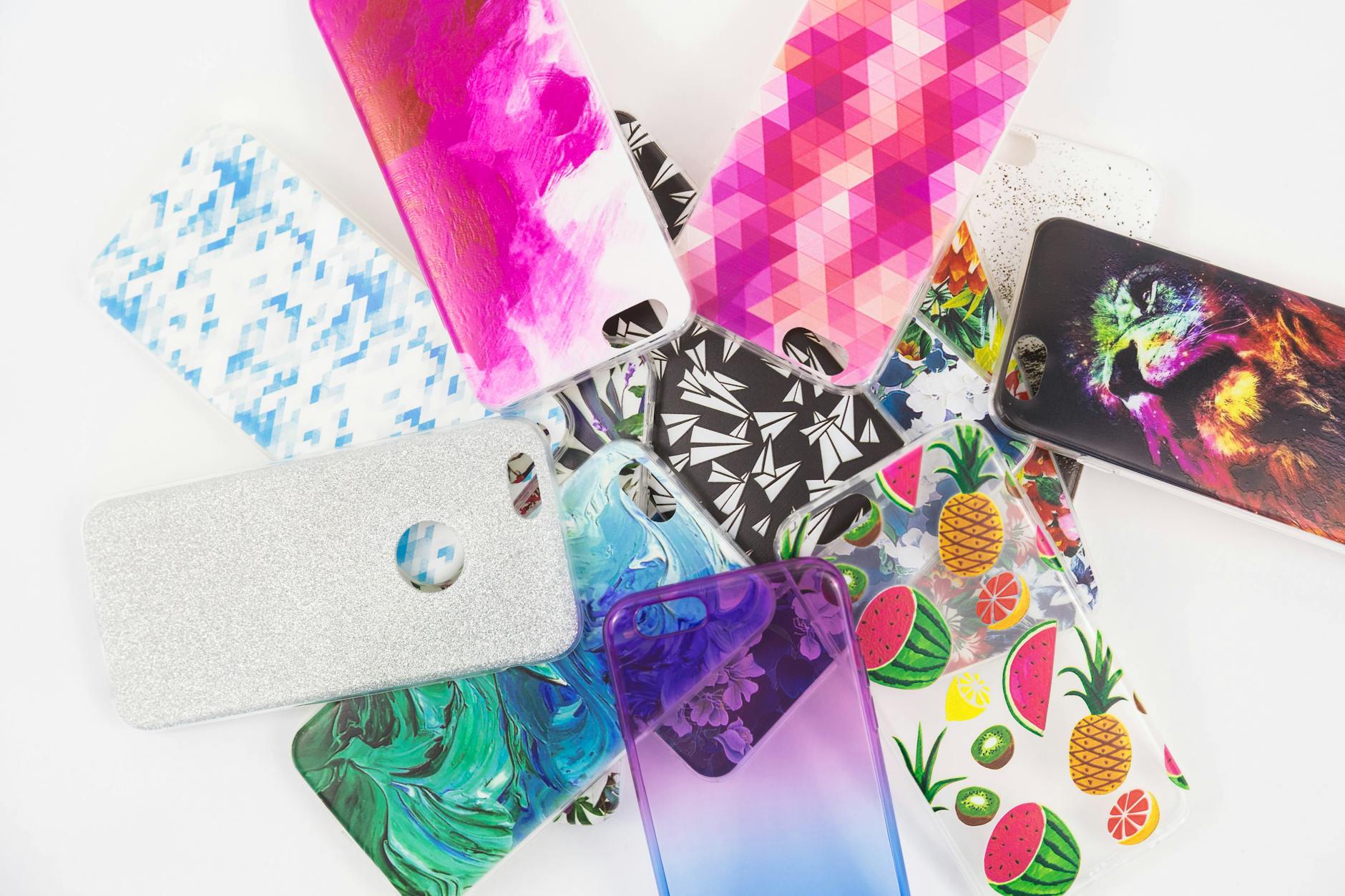
Sourcing the right promotional tech products can make or break a merchandise campaign — and in 2026, custom phone cases remain one of the most practical, high-visibility branded items on the market. Whether you’re a marketing agency building out a client’s swag pack, a reseller looking for consistent repeat-order products, or a business wanting to put your brand in people’s hands (literally), custom phone cases offer an impressive combination of everyday utility and constant brand exposure. This guide walks you through everything you need to know about sourcing, ordering, and maximising the impact of custom phone cases in the Australian market.
Why Custom Phone Cases Are a Smart Promotional Product Choice
It’s easy to underestimate just how often a person looks at, holds, or hands over their phone throughout the day. Studies consistently show smartphones are handled dozens of times per hour — meaning a branded phone case is one of the few promotional items that delivers repeated impressions without ever sitting in a drawer.
For Australian businesses, this translates to exceptional return on investment. Unlike single-use promotional items, a quality phone case typically stays in use for 12 to 24 months. That’s sustained brand visibility for the cost of a single unit — often between $8 and $25 at wholesale pricing depending on the case style, quantity, and decoration method.
Who Orders Custom Phone Cases in Australia?
The short answer: almost every sector. Corporate clients in Sydney and Melbourne regularly include branded cases in onboarding gift packs for new employees. Brisbane-based event agencies incorporate them into conference delegate bags alongside other tech accessories like portable power banks for phones. Real estate agencies use them as memorable client settlement gifts. Universities in Adelaide and Perth order them for student orientation packs, and marketing agencies around the country supply them to FMCG brands for consumer promotions and giveaways.
For resellers, custom phone cases are particularly attractive because they’re a repeatable product. As clients upgrade to new phone models, they reorder — making this a category that builds long-term supplier relationships.
Understanding Phone Case Styles and Product Options
Before diving into decoration and sourcing, it’s important to understand the product landscape. Not all phone cases are created equal, and the type of case you order will affect both the decoration method available and the perceived value of the finished product.
Hard Shell Cases
Hard plastic (polycarbonate) cases are the most common entry point for promotional phone cases. They’re lightweight, cost-effective, and offer a smooth, flat surface that works perfectly for full-colour digital printing or UV printing. For resellers managing tight budgets or high volumes, hard shell cases provide the most competitive unit pricing — particularly when orders exceed 100 units.
Slim Soft Cases
Thermoplastic polyurethane (TPU) soft cases offer more grip and impact resistance than hard shell alternatives. They’re popular with corporate clients who want something that feels more premium. The slightly textured surface can make certain printing techniques appear less crisp than on hard plastic, so it’s worth requesting samples before committing to large runs.
Wallet Cases and Folio Styles
For premium gifting scenarios — think client Christmas gifts or executive onboarding packs — wallet-style cases that incorporate card slots or a magnetic closure add considerable perceived value. These are often produced in faux leather or genuine leather variants and can be paired beautifully with personalised drink bottles and branded notebooks in a curated gift set.
Rugged and Protective Cases
These are thicker, dual-layer cases designed for durability. They appeal to construction companies, field service businesses, and trades organisations — particularly relevant in the Queensland and Northern Territory markets where outdoor working conditions are demanding. Decoration on rugged cases is typically confined to a specific panel or insert area, so artwork needs to be adapted accordingly.
Decoration Methods for Custom Phone Cases
The decoration method you choose directly impacts print quality, durability, minimum order quantities, and pricing. Here’s a breakdown of the most widely used techniques in the Australian promotional products industry.
UV Direct Printing
UV printing is the most common and versatile method for custom phone cases. A UV-cured ink is applied directly to the case surface and cured instantly under ultraviolet light. The result is a vibrant, scratch-resistant print that maintains sharp detail. MOQs are typically low — sometimes as few as 1 to 10 units for certain suppliers — making it suitable for sample orders or boutique reseller runs.
Sublimation Printing
Dye sublimation is best suited to white or very light-coloured hard cases with a specially coated surface. The process bonds ink directly into the substrate at a molecular level, creating a photo-quality finish that won’t peel or crack. It’s particularly popular for consumer-facing campaigns where full-bleed imagery or photographic designs are required. One consideration: sublimation doesn’t perform well on dark-coloured cases.
Screen Printing
Screen printing is generally reserved for simpler, one to four colour designs applied to flat case surfaces. It’s a cost-effective option for large runs (typically 250+ units) where the design consists of bold, clean artwork — think logos, wordmarks, or single-colour illustrations. Setup fees apply per colour, so this method is less economical for complex multicolour designs at low volumes.
Laser Engraving
For premium leather or matte-finish metal cases, laser engraving creates a sophisticated, tactile result. It’s a popular choice for executive gifts and high-end corporate merchandise. The process removes surface material to reveal the contrast underneath — no inks, no fading, and a genuinely premium aesthetic. Resellers targeting the corporate gift market should strongly consider this option when pairing phone cases with other laser-engraved items.
Sourcing Custom Phone Cases: What Australian Resellers and Businesses Need to Know
Minimum Order Quantities and Pricing
MOQs for custom phone cases in Australia vary considerably by supplier and decoration method. As a general guide:
- UV direct print: 1–50 units MOQ, typically $12–$25 per unit at low volumes
- Sublimation: 10–50 units MOQ, typically $10–$20 per unit
- Screen print: 100–250 units MOQ, typically $8–$15 per unit at mid volumes
- Laser engraving (premium cases): 25–100 units MOQ, typically $18–$40 per unit
For resellers building a catalogue, it’s worth negotiating tiered pricing with your preferred supplier. Many Australian wholesale suppliers offer meaningful discounts at 250, 500, and 1,000+ unit thresholds.
Turnaround Times
Standard production turnaround for custom phone cases in Australia typically runs between 7 and 15 business days after artwork approval. Rush services are available from some suppliers for an additional fee, compressing lead times to 3 to 5 business days — useful for last-minute campaign requirements. Freight time should be factored in separately, particularly for clients in Darwin, Hobart, or regional areas.
Artwork Requirements and Compatibility
One of the most common pain points in ordering custom phone cases is artwork compatibility. Because case designs are shaped to fit specific phone models, artwork must be formatted to the correct template for each model — iPhone 15 Pro, Samsung Galaxy S25, and so on. Suppliers will typically provide cut-lines and safe zones as part of their artwork brief. Ensure your designer works within these parameters to avoid print distortion near camera cutouts or button edges.
PMS colour matching is available from most reputable suppliers for screen printing runs, though UV printing typically operates in CMYK. If brand colour accuracy is critical for your client — as it often is for corporate accounts — clarify the colour matching process with your supplier before artwork is approved.
Compatibility Across Phone Models
This is a practical challenge unique to phone cases as a promotional product. Unlike custom mouse pads or branded duffel bags that are one-size-fits-all, phone cases must be ordered for specific models. For large corporate orders where employees use a range of devices, this means managing multiple SKUs simultaneously. Some suppliers offer a reduced MOQ per model when ordering across multiple variants simultaneously — always worth asking about.
Pairing Custom Phone Cases with Complementary Promotional Products
Custom phone cases work exceptionally well as part of a broader branded merchandise pack. For marketing agencies building campaign bundles, consider pairing them with:
- Power banks — a natural tech companion; see our guide to choosing the right power bank for phones for resale or gifting
- Branded totes or backpacks — for conference or onboarding kits
- Custom apparel — branded tees or varsity jackets create cohesive brand experiences for product launches or employee gifts
- Seasonal gift sets — phone cases pair beautifully in client Christmas gift ideas alongside premium drinkware or lifestyle items
The key to a well-rounded merchandise pack is coherence — items should feel like they belong together in terms of quality level, aesthetic, and brand application. A matte black premium leather phone case looks out of place next to a low-cost plastic keyring. Match your case tier to the broader pack quality.
Common Mistakes to Avoid When Ordering Custom Phone Cases
Even experienced resellers occasionally run into issues with phone case orders. Here are the most frequent pitfalls and how to avoid them:
1. Not requesting samples first. Print quality and case feel can vary significantly between suppliers. Always request a physical sample of the blank case style before committing to a large decorated run.
2. Ignoring model obsolescence. Phone models change annually. Ordering 500 units of a case designed for a model that’s about to be discontinued can leave you with unsellable stock. Stick to current flagship models and avoid deep inventory on older variants.
3. Underestimating artwork preparation time. Custom phone case templates require precise artwork setup. Factor in at least 2 to 3 business days for artwork preparation and client approval before production begins.
4. Forgetting about the case back vs. full wrap. Some suppliers offer full-wrap printing that extends around the edges; others print only on the flat back panel. Confirm exactly what surface area is covered before finalising artwork.
Key Takeaways
Custom phone cases are a genuinely versatile, high-utility promotional product with strong repeat-order potential for resellers and consistent brand ROI for corporate clients. Here’s what to keep in mind:
- Choose the right case style for the brief — hard shell for budget runs, premium wallet or leather for executive gifting, rugged cases for trades and field industries
- Match your decoration method to the artwork — UV printing for complex full-colour designs, screen printing for simple high-volume runs, laser engraving for premium finishes
- Manage model compatibility carefully — ordering across multiple phone models requires clear SKU management and supplier communication
- Request samples before large runs — print quality and material feel vary between suppliers and should always be verified first
- Pair phone cases with complementary products — they perform best as part of a curated branded pack rather than as standalone items
With the right supplier relationship and a clear brief, custom phone cases can become one of the most reliable and repeatable products in any Australian reseller’s catalogue.