
Custom Recycled Produce Bags in Australia: The Complete Sourcing Guide for Businesses
Discover how to source custom recycled produce bags in Australia — decoration methods, MOQs, budgeting tips, and the best use cases for your brand.

Written by
Lucy Hassan
Bags & Totes
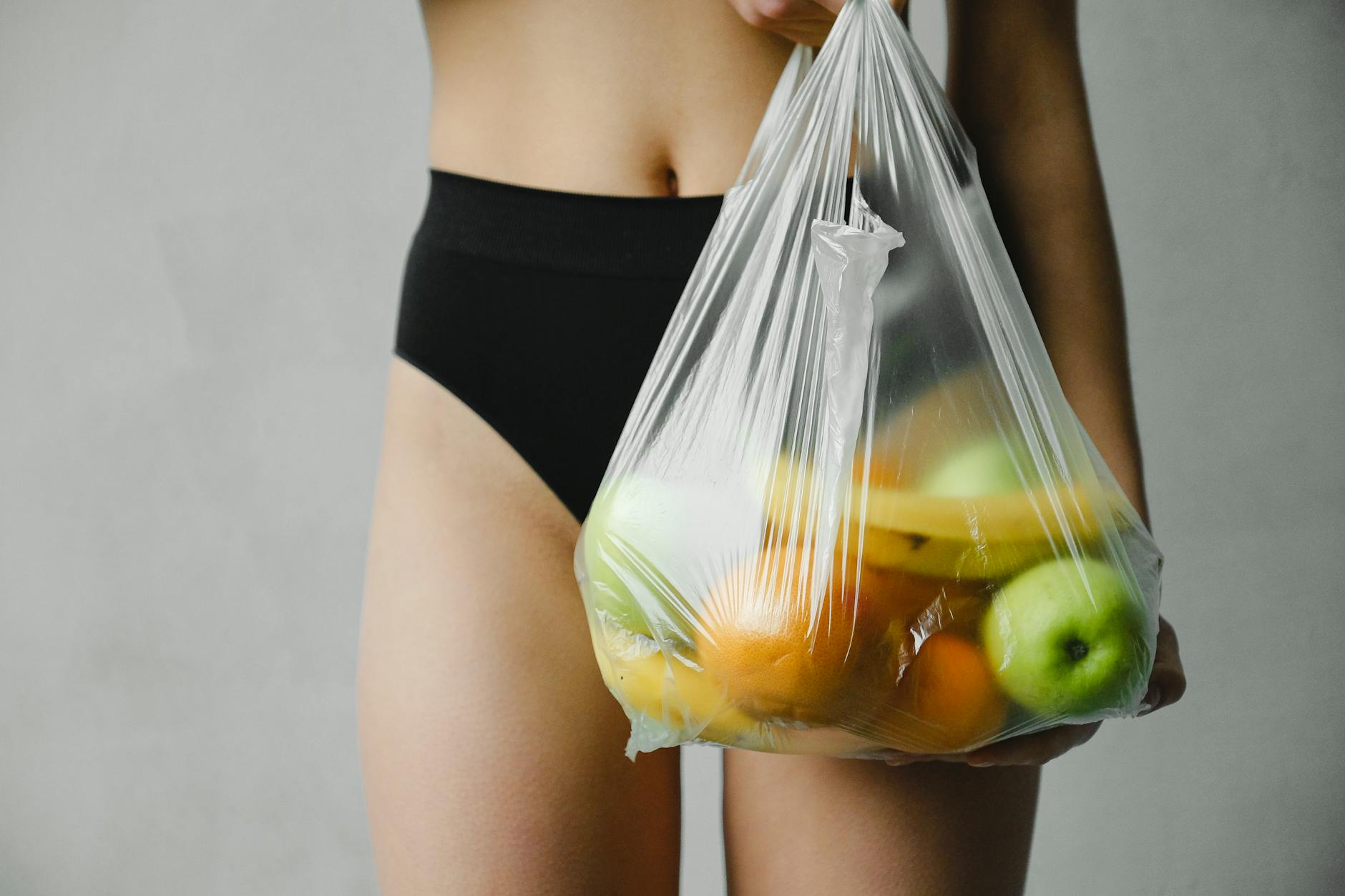
Sustainability isn’t just a buzzword anymore — it’s a purchasing decision that Australian consumers and businesses are making every single day. As demand for eco-conscious merchandise continues to climb, custom recycled produce bags have emerged as one of the most practical, on-trend, and genuinely useful promotional products available in 2026. Whether you’re a marketing agency putting together a zero-waste conference kit, a reseller building out your eco product range, or a business looking to reinforce your green credentials, understanding how to source custom recycled produce bags in Australia is essential. This guide walks you through everything you need to know — from materials and decoration methods through to MOQs, budgets, and the sectors where these products perform best.
What Are Custom Recycled Produce Bags and Why Do They Matter?
Recycled produce bags are lightweight, reusable mesh or fabric bags designed to replace single-use plastic bags at markets, grocery stores, and food co-ops. They’re typically made from recycled PET (rPET) fabric — which is produced by processing post-consumer plastic bottles — or from other sustainably sourced materials like recycled cotton or organic cotton blends. In their branded form, they become a walking advertisement for your client’s values.
The reason these bags have gained so much traction in the promotional products space is simple: they sit at the intersection of daily utility and environmental responsibility. Recipients actually use them. A branded recycled produce bag goes to the supermarket, the farmers’ market, the health food store — places where your client’s logo gets maximum visibility in front of a relevant, environmentally aware audience.
For resellers and agencies, they’re also a natural companion to other eco merchandise. If you’re already building campaigns around reusable promotional items for eco-conscious brands, adding recycled produce bags to your range is a logical and commercially smart move.
Materials Commonly Used in Custom Recycled Produce Bags Australia
Understanding the material options helps you advise clients confidently and source the right product for the intended application.
Recycled PET (rPET) Fabric
rPET is the dominant material in the custom recycled produce bag category. Made from post-consumer plastic bottles, it’s durable, washable, and available in a range of mesh and woven weaves. It holds its shape well after repeated use and is particularly popular for organisations looking to demonstrate a direct environmental impact — suppliers often provide statistics like “this bag was made from X recycled plastic bottles,” which is excellent for campaign storytelling.
Recycled Cotton and Organic Cotton Blends
Some suppliers offer bags made from recycled cotton yarn — often sourced from textile offcuts and manufacturing waste — or blended with organic cotton fibres. These have a softer, more natural feel and are popular with health food retailers, wellness brands, and farm-to-table businesses. They tend to have slightly higher per-unit costs than rPET but offer a premium look and feel that resonates with certain audiences.
Bamboo and Natural Fibre Mesh
Bamboo-derived fibre and natural linen meshes are less common but are gaining popularity with brands that want a fully biodegradable option. If you’re working with a client who has strict sustainability policies — such as a local government body in South Australia or a certified B Corp in Melbourne — this material tier is worth exploring.
Pairing these bags with other sustainable office and everyday items, like those covered in our guide to reusable office supplies in Australia, makes for a cohesive eco-branded merchandise suite.
Decoration Methods for Recycled Produce Bags
Decorating recycled produce bags presents some unique considerations compared to conventional tote bags or woven polypropylene bags.
Screen Printing
Screen printing is the most cost-effective decoration method for high-volume orders. It works well on recycled cotton and woven rPET materials, producing vibrant, long-lasting prints. Standard setup fees apply per colour, so designs with one or two colours will yield the best cost-per-unit pricing. Most Australian suppliers require a minimum of 100–250 units for screen-printed produce bags.
Heat Transfer and Digital Transfer
For mesh produce bags made from rPET, screen printing isn’t always viable due to the open weave structure. Heat transfer labels and digital transfer printing are often used instead, applying the design to a solid woven panel incorporated into the bag’s design (such as a coloured base or a fold-over header section). This approach is particularly useful for orders with complex artwork or photographic elements.
Embroidery
Embroidery is generally not suitable for lightweight mesh produce bags, but it’s a popular choice when bags include a heavier woven panel or when brands want a premium, tactile finish. It’s worth knowing for clients who want consistency across their bag range — for example, if they’re also ordering branded tote bags for the beach or canvas grocery bags.
Laser Engraving and Debossing
Less common for fabric produce bags but relevant if a client is ordering a produce bag as part of a set that includes hard goods like bamboo cutting boards, jars, or branded accessories. Consistency across decoration methods in a gift set is always worth discussing with your supplier.
Minimum Order Quantities and Turnaround Times
For custom recycled produce bags in Australia, typical MOQs sit between 50 and 250 units, depending on the supplier, material, and decoration method. Here’s a general breakdown:
- rPET mesh bags with heat transfer print: MOQs of 100–250 units, 2–4 week turnaround
- Recycled cotton bags with screen print: MOQs of 50–150 units, 2–3 week turnaround
- Fully custom shapes or sizes: MOQs of 300+ units, 4–6 week turnaround (often offshore production)
If your client is ordering for a specific event — say, a sustainable food festival in Brisbane or a zero-waste conference in Canberra — factor in the proof approval process, which can add 3–5 business days before production begins. Always build buffer time into your project timeline.
For urgent requirements, some Australian-based suppliers carry blank stock that can be decorated domestically in as little as 5–7 business days, though colour and size options will be more limited.
Pricing and Budget Expectations
Pricing for custom recycled produce bags in Australia typically falls in the following ranges:
- Entry-level rPET mesh bags (single colour print): $2.50–$5.00 per unit at 250+
- Mid-range recycled cotton bags (one or two colour print): $4.00–$8.00 per unit at 100+
- Premium organic or bamboo mesh bags: $7.00–$14.00 per unit at 50+
Setup fees for screen printing generally range from $50–$120 per colour. Digital or heat transfer setup fees are usually flat rate, between $50–$200 depending on artwork complexity.
For resellers quoting to clients, it’s worth noting that the per-unit price drops meaningfully at higher quantities. An order of 500 units versus 100 units on recycled cotton bags could yield 20–35% savings per unit, making the case for larger initial orders if storage and distribution logistics allow.
Who’s Ordering Custom Recycled Produce Bags in Australia?
The versatility of these bags makes them suitable across a surprising range of sectors and use cases.
Retailers and Health Food Businesses
Organic grocery stores, health food co-ops, and zero-waste retailers across Melbourne, Sydney, and Brisbane frequently use branded recycled produce bags as both a product for sale and a promotional giveaway for loyal customers. They reinforce the brand’s sustainability story every time the bag is used.
Councils and Government Bodies
Local government organisations — particularly those running sustainability campaigns, community gardens, or waste reduction initiatives — are strong buyers of custom recycled produce bags. A Perth council running a “Plastic Free July” activation, for example, might distribute branded sets to residents or community groups.
Corporate Wellness and Events
Businesses running corporate wellness retreats or employee wellbeing programs often bundle produce bags with other health-focused products. A Sydney-based HR team putting together a wellness hamper might include a branded recycled produce bag alongside a tea infuser bottle and some healthy snacks.
Schools and Universities
Environmental education programs at primary and secondary schools, as well as sustainability-focused student groups at universities and TAFEs, represent a growing buyer segment. A Gold Coast high school running a sustainability week or a Melbourne university hosting a zero-waste market stall both have strong use cases for small-to-mid quantity orders.
Conferences and Expos
Event organisers looking to reduce waste often replace conventional plastic give-away bags with recycled produce bag sets. Positioned as a practical, take-home item within a conference kit alongside branded notebooks or USB drives, they elevate the perceived sustainability credentials of the entire event.
Artwork and Branding Tips for Recycled Produce Bags
When briefing artwork for recycled produce bags, keep these practical points in mind:
- Simple, bold designs work best, especially on mesh materials where fine detail can be lost
- PMS colour matching is important for brand-conscious clients — confirm with your supplier whether PMS matching is available for the chosen decoration method
- Consider the bag’s base colour — natural, beige, and earthy tones are popular for eco bags and will influence how artwork colours appear
- Logo placement matters — most produce bags have limited flat print area, so confirm dimensions upfront
- Artwork files should be supplied as vector formats (AI, EPS, or high-resolution PDF) for the cleanest print outcome
Consistency in branding across your full merchandise range — including items like work polo shirts or other apparel — reinforces brand integrity and makes campaigns feel cohesive. For a deeper dive into why this matters, it’s worth revisiting the fundamentals covered in our guide on why brand consistency is important.
How to Find the Right Supplier for Custom Recycled Produce Bags in Australia
When evaluating suppliers for this product category, look for the following:
- Transparent sustainability credentials — can they provide material composition and certifications (GOTS, GRS, OEKO-TEX)?
- Sample availability — always request pre-production samples for new product lines
- Domestic decoration capability — suppliers who decorate in Australia offer faster turnarounds and easier communication
- Stock flexibility — suppliers with local inventory give you more responsive options for urgent orders
- Clear proof processes — digital proofs with print-ready artwork confirmation protect everyone in the supply chain
If you’re a reseller sourcing across multiple product categories, building relationships with suppliers who offer broad eco ranges — covering everything from produce bags through to branded thermal mugs for cold weather events — will simplify your sourcing and strengthen your negotiating position over time. It’s also worth exploring broader seasonal ranges, as many suppliers offer eco-focused options across their winter custom products collections as well.
Conclusion: Key Takeaways for Sourcing Custom Recycled Produce Bags in Australia
Custom recycled produce bags represent one of the most credible and functional eco-friendly promotional products available in the Australian market right now. As both consumer expectations and corporate sustainability commitments continue to rise, demand for these products will only grow — making them a smart addition to any reseller’s catalogue or marketing agency’s client offering.
Here are the key points to take away:
- Material matters — rPET, recycled cotton, and bamboo fibre each suit different brand positioning and price points; choose based on your client’s sustainability story and budget
- MOQs are accessible — most suppliers work from as low as 50–150 units, making custom recycled produce bags viable for small businesses, schools, and community groups as well as large corporates
- Decoration method is dictated by the material — mesh bags require heat transfer or panel-based printing, while woven recycled fabrics suit screen printing well
- Build in lead time — especially for fully custom or offshore-produced orders, plan for 4–6 weeks including proof approval
- Eco merchandise works best as part of a suite — pairing custom recycled produce bags with other sustainable products creates a more compelling brand story and higher perceived value for recipients