
The Complete Guide to Customisable Shirts for Australian Businesses and Resellers
Discover how to source, order and brand customisable shirts in Australia. Expert tips on decoration methods, MOQs, suppliers and budgeting.

Written by
Cleo Wright
Custom Apparel
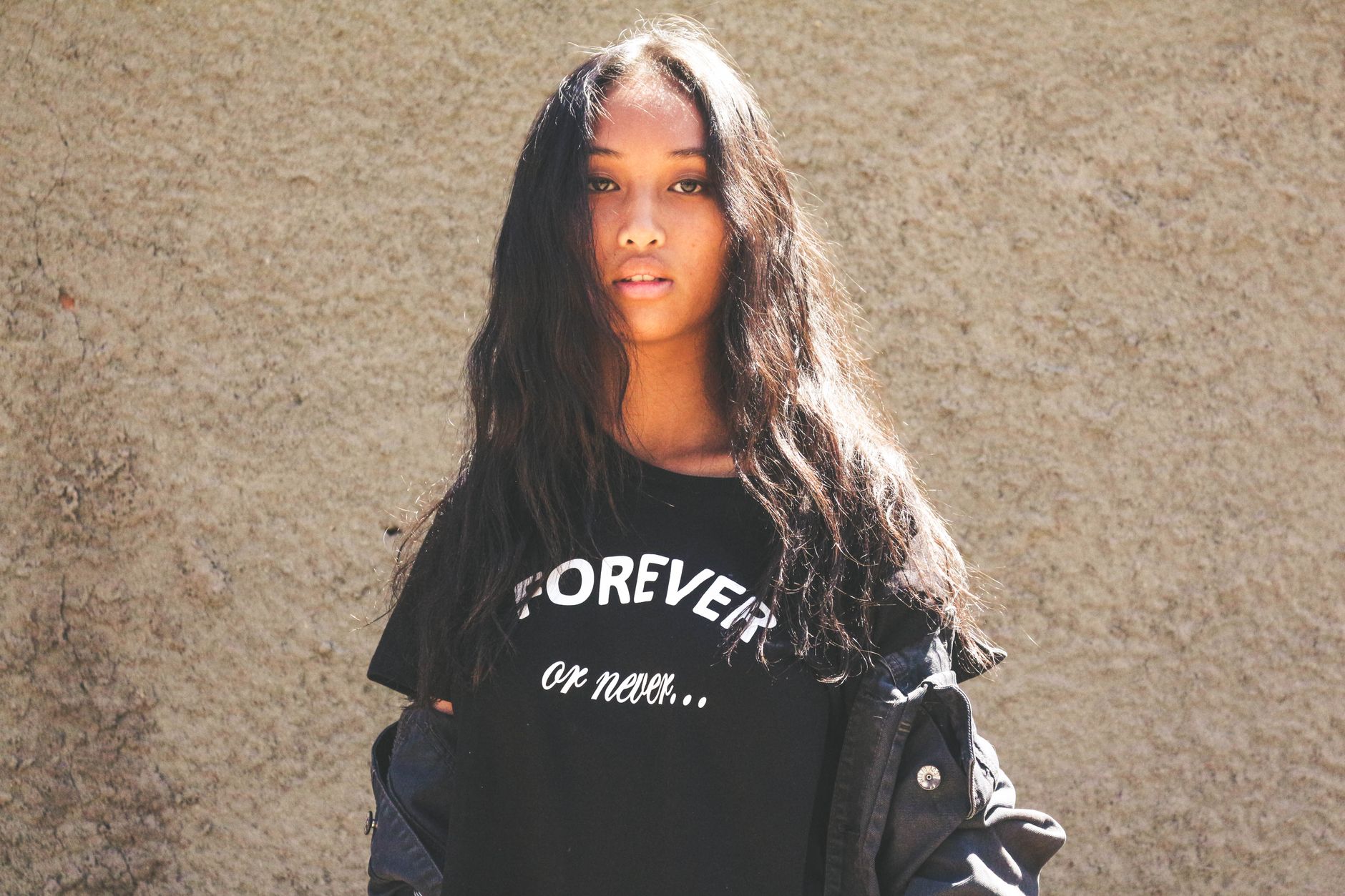
When it comes to branded merchandise, few products deliver the visibility, versatility, and value of a well-designed customisable shirt. Whether you’re a marketing agency building a merch package for a client, a reseller looking to stock quality blanks for decoration, or a business preparing for a trade show in Melbourne or a corporate team-building day on the Gold Coast, getting your shirt order right can make or break the impression you leave. With dozens of styles, countless decoration methods, and a wide range of MOQs across Australian suppliers, navigating the market takes knowledge — and that’s exactly what this guide provides.
Why Customisable Shirts Remain the Backbone of Promotional Merchandise
There’s a reason custom shirts have topped promotional product sales charts for decades. They’re functional, universally worn, and they turn your brand into a walking billboard every time someone puts one on. A branded shirt seen at a Sydney conference, worn by a volunteer at a Brisbane community event, or gifted to a Perth corporate team creates recurring impressions that no digital ad can replicate.
For resellers and marketing agencies in particular, customisable shirts offer one of the healthiest margins in the promotional products space. Blank garments are widely available at competitive wholesale prices, decoration services are accessible nationally, and the demand from end clients — across virtually every industry sector — remains consistently high throughout the year.
Beyond pure ROI, shirts carry genuine emotional value. When someone receives a quality branded shirt, they associate that quality with the business that gave it to them. That connection is powerful for brand recall, team culture, and customer loyalty.
Understanding the Different Styles of Customisable Shirts
Not all customisable shirts are created equal. Before placing an order, it’s essential to understand which style suits the brief — because the wrong garment choice can undermine even the best decoration work.
Classic T-Shirts
The humble t-shirt remains the most popular choice for events, merchandise drops, schools, and casual branded giveaways. Available in cotton, polyester, or cotton-polyester blends, t-shirts are ideal for screen printing and direct-to-garment (DTG) digital printing. For a deeper look at printing on shirts, including technique comparisons and artwork preparation tips, it’s worth reviewing that topic separately before finalising your order.
If you’re working with a recognised name in the garment space, understanding the tees brand landscape in Australia will help you choose blanks that hold decoration well and have strong retail appeal.
Polo Shirts
Polo shirts are the go-to choice for corporate uniforms, sporting clubs, and professional service businesses. Their structured collar and neat fit make them more formal than a t-shirt while remaining comfortable enough for all-day wear. They work especially well with embroidery — a classic left-chest logo in embroidered thread reads as premium and professional. For a broader overview of the polo and t-shirts category, including fabric weights and sizing considerations, it’s worth exploring both styles side by side.
Fishing and Outdoor Shirts
There’s a growing demand for performance shirts designed for outdoor use — particularly long-sleeve fishing shirts with UPF sun protection. These are incredibly popular in Queensland, Western Australia, and the Northern Territory, where businesses in the fishing, agriculture, and tourism sectors need branded workwear that performs under harsh conditions. Our dedicated resource on personalised fishing shirts covers this niche in detail, including popular styles and supplier options.
Varsity and Heritage Styles
Varsity-inspired garments have seen a significant resurgence in 2026, particularly among universities, TAFEs, and youth-focused brands. While these overlap into the outerwear category, the branded shirt aesthetic carries into team varsity jackets and heritage-style tops that are equally customisable.
Decoration Methods: Matching the Technique to the Brief
Choosing the right decoration method for your customisable shirt is just as important as choosing the right garment. Each technique has its strengths, limitations, and cost implications — and the wrong match can lead to underwhelming results or unnecessary expense.
Screen Printing
Screen printing remains the industry standard for high-volume orders. It produces vivid, durable results on cotton and cotton-blend fabrics, and the per-unit cost drops significantly as quantities increase. Screen printing works best with solid, defined artwork and a limited colour palette. Expect setup fees (per colour, per screen) that make small runs cost-prohibitive, but for orders of 50 units or more, it’s hard to beat for price and quality.
Embroidery
Embroidery adds a premium, tactile quality to branded shirts — particularly polos and corporate uniforms. It’s incredibly durable (the branding doesn’t crack or peel over time), and it reads as professional in client-facing settings. The trade-off is detail — fine lines and complex artwork don’t always translate cleanly into thread. For brands that incorporate embroidered elements beyond the main garment, embroidered patches in Australia offer a flexible add-on that can be sewn onto shirts, bags, or caps.
Heat Transfer and Sublimation
Heat transfer is ideal for full-colour artwork, photographic imagery, or small-run orders where screen printing setup costs aren’t justified. Sublimation printing, which dyes the fabric itself, produces stunning all-over prints on polyester garments — perfect for sports teams, event merchandise, and eye-catching promotional shirts. The limitation? Sublimation only works effectively on light-coloured, high-polyester-content fabrics.
Direct-to-Garment (DTG) Printing
DTG printing has become increasingly accessible and is excellent for small quantities, complex artwork, and personalised orders (for example, adding individual names or numbers). It works best on cotton fabrics and is particularly popular with merchandise businesses that offer on-demand printing rather than bulk stock models.
Minimum Order Quantities, Pricing, and Turnaround Times
One of the most common pain points for businesses and resellers ordering customisable shirts for the first time is misunderstanding the economics of garment decoration. Here’s what to expect in 2026.
MOQs: Screen printing suppliers typically require a minimum of 24–50 units per colour or design. Embroidery suppliers often accept lower MOQs (sometimes as few as 12 units), while DTG providers can frequently handle single-unit orders for a premium.
Pricing tiers: Bulk pricing is standard. Expect significant per-unit savings when moving from 25 units to 50, 50 to 100, and 100 to 250+. For resellers building a client proposal, always factor in the setup fee (which is a one-time cost, not per-unit) when calculating your cost-per-shirt at different order sizes.
Turnaround times: Standard production runs typically take 10–15 business days from artwork approval. Rush orders are available from many suppliers for an additional fee, but plan ahead for campaigns, conferences, or events — particularly around peak periods like the end of financial year, Melbourne Cup season, and the Christmas/summer period.
Building a Complete Branded Merchandise Package Around Your Custom Shirt
For resellers and agencies, a customisable shirt rarely stands alone in a client brief. Smart merchandisers build cohesive packages that pair shirts with complementary branded products for greater impact and higher order values.
Consider pairing custom shirts with:
- Branded drinkware — a reusable bottle for water or a promotional cup makes a practical gift pairing for staff kits or event packs
- Custom bags — a reusable shopper bag or a tote straw bag creates a cohesive merch bundle; for a wider range of carry options, explore our overview of shopper bags
- Tech accessories — a power bank for phone sits naturally alongside a branded shirt in a corporate welcome pack
- Stationery — a personalised notebook adds a practical, desk-facing brand touchpoint to complement wearable merchandise
- Seasonal extras — around key gifting periods, adding personalised Christmas baubles or a personalised key ring can elevate a shirt pack into a full gift set
For food and beverage clients, there’s even creative scope for including items like Jaffa chocolate or a branded wine cooling bag alongside custom shirts for an indulgent campaign package.
Don’t overlook the household category either — products like a cotton tea towel carry strong brand recall in home settings and pair well with lifestyle-focused shirt campaigns.
Artwork Preparation and Approval Process
Before your customisable shirt order goes into production, artwork preparation is a critical step that’s frequently underestimated by first-time buyers.
Most decorators require vector files (AI, EPS, or PDF) for screen printing and embroidery. Raster images (JPEG, PNG) are acceptable for DTG and sublimation, provided resolution is adequate — typically 300dpi or higher at print size.
PMS (Pantone Matching System) colour codes are important for maintaining brand consistency across print runs and across different decoration methods. If your client has brand guidelines, always obtain the official PMS codes before sending artwork to your supplier.
The proof approval process matters. Most reputable suppliers will provide a digital proof before production begins — review it carefully for spelling, sizing, placement, and colour accuracy before signing off.
Key Takeaways
Ordering customisable shirts successfully comes down to preparation, supplier knowledge, and matching the right product and method to the brief. Here are the essential points to carry away from this guide:
- Choose the right garment style first — t-shirt, polo, performance shirt, or heritage style — before considering decoration, as the fabric and construction affect which methods work best
- Match your decoration method to your order size, artwork complexity, and budget — screen printing wins on volume, embroidery wins on premium perception, DTG wins on flexibility and small runs
- Understand the full cost picture — setup fees, per-unit pricing, and turnaround times all factor into a well-structured client quote
- Build complementary merchandise packages — custom shirts paired with bags, drinkware, or tech accessories create higher-value orders and stronger brand impact
- Prepare artwork correctly and review proofs carefully — most production errors trace back to preventable artwork or approval issues upstream
A customisable shirt is one of the most powerful and enduring tools in the promotional merchandise toolkit. When sourced thoughtfully, decorated with the right method, and positioned as part of a cohesive brand package, it delivers tangible, long-lasting results for businesses right across Australia.