
How to Design a T-Shirt in Australia: The Complete Guide for Businesses and Resellers
Learn how to design a t-shirt in Australia with expert tips on decoration methods, MOQs, suppliers, and getting the best results for your brand.

Written by
Cleo Wright
Custom Apparel
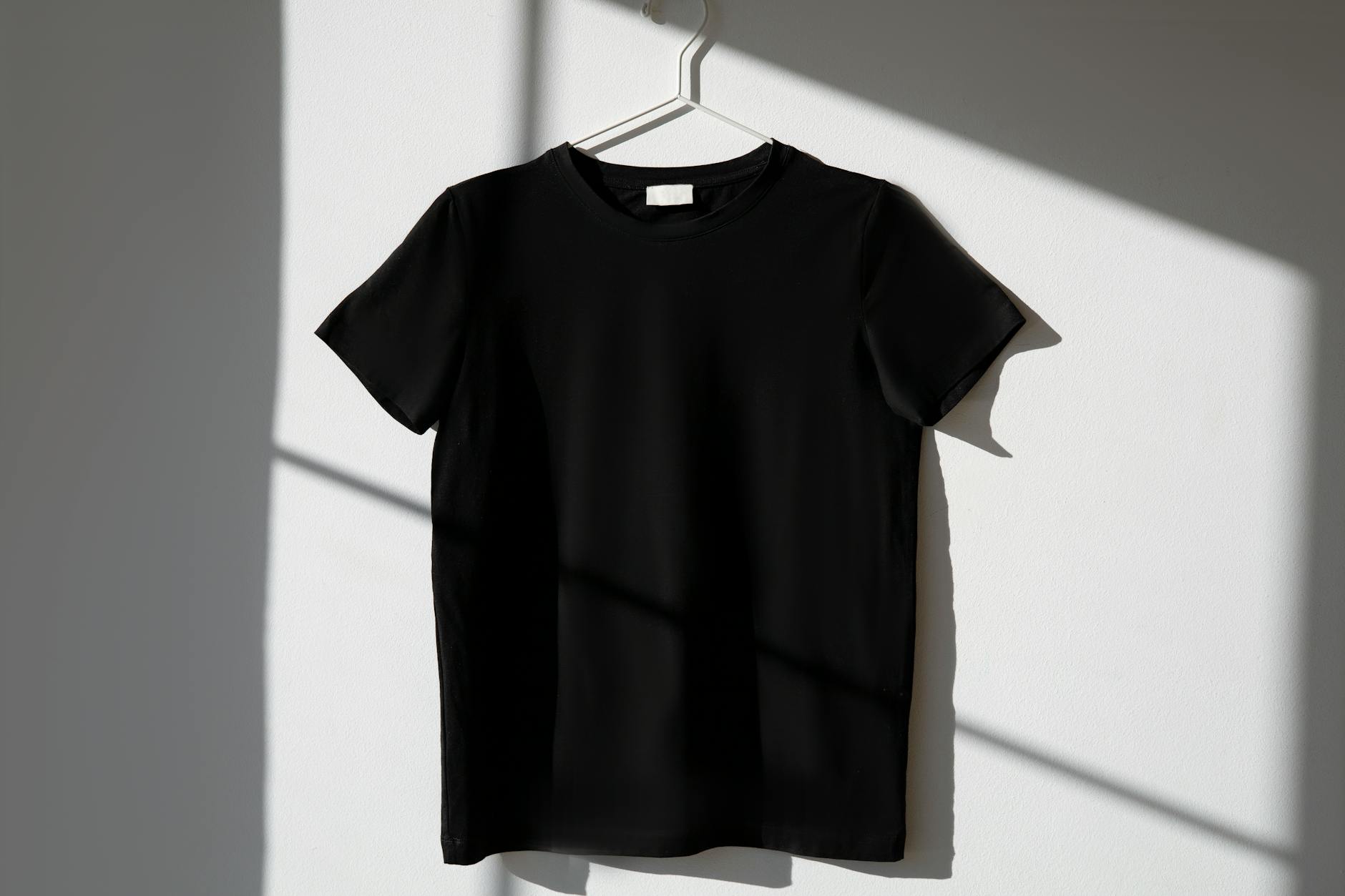
Designing a custom t-shirt sounds straightforward — pick a design, choose a colour, slap a logo on the front. In reality, there’s a lot more to it, and when you’re ordering on behalf of a business, a marketing agency, or as a reseller, the stakes are considerably higher. Getting the brief wrong can mean wasted budget, delayed timelines, and merchandise that doesn’t perform the way you need it to. Whether you’re sourcing branded tees for a Sydney corporate event, a Melbourne retail promotion, or a Queensland school fundraiser, this guide walks you through exactly how to design a t-shirt in Australia — from concept to delivery.
Why Custom T-Shirts Remain One of Australia’s Most Popular Promotional Products
Despite the ever-expanding world of promotional merchandise, the humble t-shirt consistently ranks among the most effective branded items available. They’re wearable, visible, and practical — which means your brand gets exposure every time the shirt is worn. For resellers and marketing agencies, this makes custom tees a reliable line item to offer clients across almost every industry sector.
The Australian market is particularly well-suited to custom apparel. With a warm climate across most of the country, t-shirts are genuinely everyday wear in cities like Brisbane, Perth, and Darwin. Even in cooler southern cities like Melbourne, Adelaide, and Hobart, branded tees work perfectly as event merchandise, sports uniforms, staff uniforms, and promotional giveaways.
If you’re looking to expand your client’s branded wardrobe beyond t-shirts, it’s worth exploring options like polo shirts and custom tees for more formal settings, or team varsity jackets for schools and sporting clubs who want premium-feel apparel.
Understanding the Design Process Before You Place an Order
Start With the End Use in Mind
Before you touch a design file, ask yourself (or your client) a fundamental question: What is this t-shirt actually for? The answer will drive every decision that follows.
A staff uniform for a retail brand in Adelaide has very different requirements to a promotional giveaway at a Gold Coast trade show. A fundraiser tee for a Brisbane primary school needs different artwork treatment to a high-end corporate polo for a Sydney financial services firm.
Common use cases in Australia include:
- Corporate staff uniforms — consistent branding, professional appearance, durability
- Event and conference merchandise — high-visibility design, quick turnaround
- Promotional giveaways — cost-effective, broad appeal
- School and sporting club uniforms — bright colours, team identity, practical sizing ranges
- Retail and brand merchandise — on-trend design, quality fabric, retail-ready presentation
Getting clarity on end use early will save you hours of revision time down the track.
Artwork Requirements: What You Need to Know
When you design a t-shirt in Australia and approach a supplier for production, the first thing they’ll ask for is your artwork file. This is where many first-time buyers run into trouble.
Most Australian suppliers require:
- Vector files (AI, EPS, or PDF) for screen printing and embroidery
- High-resolution raster files (300dpi minimum) for sublimation or direct-to-garment (DTG) printing
- Separated colours for screen printing, particularly when working with PMS (Pantone) colour matching
If your client only has a low-resolution JPEG logo, you’ll need to arrange artwork redrawing before you can proceed. Factor this into your project timeline and budget. Many promotional product suppliers offer artwork services or can recommend a graphic designer, but it does add to the overall cost and timeline.
Also consider the number of colours in your design. Screen printing charges are typically structured around colour count, so a five-colour logo will cost significantly more to produce than a two-colour version. Simplifying artwork where possible can have a meaningful impact on unit pricing.
Choosing the Right Decoration Method to Design a T-Shirt in Australia
The decoration method you choose is just as important as the design itself. Each technique has its own strengths, limitations, and cost implications.
Screen Printing
Screen printing is the go-to method for bulk orders of custom t-shirts in Australia. It produces vibrant, durable results and becomes very cost-effective at scale — typically from 25 to 50 units upward. The process works best with solid colour designs and a limited colour palette.
Setup fees (or screen fees) apply per colour, usually ranging from $25 to $60 per colour. However, these costs are absorbed across larger orders, making screen printing the most economical choice for runs of 100+ units.
Embroidery
Embroidery offers a premium, textured look that works particularly well on polos, caps, and hoodies. It’s well-suited to corporate settings where a polished appearance is important. Embroidery files require digitisation (a one-time setup cost), and highly detailed or intricate logos can sometimes lose fine detail when converted to stitch form.
Sublimation Printing
Sublimation allows for full-colour, edge-to-edge printing with no colour count limitations. It’s ideal for sportswear, performance tees, and designs that require photographic-quality imagery or gradients. The catch? Sublimation only works on white or very light polyester-rich garments, which limits fabric and colour choices.
Direct-to-Garment (DTG) Printing
DTG is a digital printing method that works similarly to inkjet printing. It’s excellent for short runs (even single units) and handles complex, full-colour artwork with ease. It’s more expensive per unit at lower quantities, but there are no setup fees — making it a practical option for sample orders or small campaigns.
Heat Transfer and Vinyl Cutting
Heat transfer methods are often used for smaller quantities or one-off orders. They’re popular with school groups, sporting clubs, and events that need individual names or numbers applied to garments. Turnaround times are generally quicker than screen printing.
For an in-depth comparison of decoration techniques, check out our guide on popular t-shirt brands for custom printing to understand which garments work best with each method.
Selecting the Right T-Shirt Blank
The garment itself matters just as much as what’s printed on it. Australian suppliers typically work with established wholesale garment brands, and as a reseller or agency buyer, you’ll often have a say in which blank is used.
Key considerations when selecting a blank include:
- Fabric weight — Lighter fabrics (140–160gsm) suit warmer climates and promotional giveaways; heavier weights (180–220gsm) are better for workwear and retail-quality merchandise
- Fabric composition — 100% cotton is breathable and prints well; poly-cotton blends are more durable; performance polyester is ideal for sportswear
- Fit — Unisex, fitted, relaxed, and oversized cuts all appeal to different audiences
- Sizing range — Ensure the range covers XS through to 5XL if needed, particularly for diverse workforces or school orders
- Colour availability — Confirm your chosen colourway is available in the blank you’ve selected before finalising the design
Planning Your Order: MOQs, Timelines, and Budgets
Minimum Order Quantities
Most Australian promotional product suppliers have minimum order quantities (MOQs) for custom t-shirts. For screen printing, MOQs typically start at 25–50 units per design. DTG printing can be as low as one unit, while sublimation usually requires a minimum of 10–20 garments.
If your client needs a very small run, it’s worth discussing DTG or heat transfer options with your supplier rather than pushing for screen printing, which won’t be cost-effective at low quantities.
Turnaround Times
Standard turnaround for custom t-shirts in Australia is generally 7–14 business days after artwork approval. Rush orders can often be accommodated in 3–5 business days, but expect a premium. Always build buffer time into your project timeline to allow for proof approval, any artwork revisions, and shipping to the final destination — especially if delivery is required interstate.
Budgeting Considerations
Pricing varies based on garment quality, decoration method, colour count, quantity, and setup fees. As a rough guide:
- Budget tees with one-colour screen print (100 units): $8–$15 per unit
- Mid-range tees with two-colour print (100 units): $12–$22 per unit
- Premium garments with full-colour sublimation (50 units): $25–$45 per unit
Always request a formal quote that itemises setup fees, print costs, garment costs, and freight separately. This makes it easier to present a clear breakdown to your client.
Complementing Your T-Shirt Campaign With Other Branded Products
Custom t-shirts rarely exist in isolation. Most successful branded merchandise campaigns pair apparel with complementary products that reinforce the brand message and extend the reach of the campaign.
Some popular pairings include:
- Personalised drink bottles — ideal alongside activewear or event tees
- Custom mouse pads — for corporate and office-focused campaigns
- Power banks for phones — practical tech giveaways that complement event merchandise
- Duffel bags — great for sports, gym promotions, or conference delegate packs
- Banner flags — to reinforce branding at events where custom tees are worn by staff
For seasonal campaigns, particularly end-of-year activations, consider combining custom apparel with client Christmas gift ideas that create a complete branded gifting package rather than a single item.
Key Takeaways
Successfully executing a custom t-shirt project in Australia requires careful planning at every stage — from design brief to delivery. Here’s what to keep in mind:
- Define the end use first. A clear brief shapes every decision, from garment selection to decoration method.
- Prepare your artwork correctly. Vector files and separated colour artwork will save significant time and avoid costly errors.
- Match the decoration method to your goals. Screen printing for bulk orders, DTG for short runs, sublimation for full-colour sportswear — each method has its place.
- Factor in lead times and buffer days. Standard turnaround is 7–14 business days; always allow extra time for approval processes and interstate freight.
- Bundle strategically. Pairing custom tees with complementary merchandise creates stronger brand campaigns and higher perceived value for your clients.
When you design a t-shirt in Australia with the right preparation and the right supplier partner, the result is a product that delivers genuine brand value long after the event, campaign, or workday is done. Take the time to get the brief right, and the rest of the process becomes considerably more straightforward.