
Ocean Plastic Recycled Branded Pens for Marine Charities: The Complete Sourcing Guide
Discover how marine charities and resellers can source ocean plastic recycled branded pens in Australia — with tips on MOQs, decoration, and suppliers.

Written by
Ariana Osei
Eco & Sustainable Products
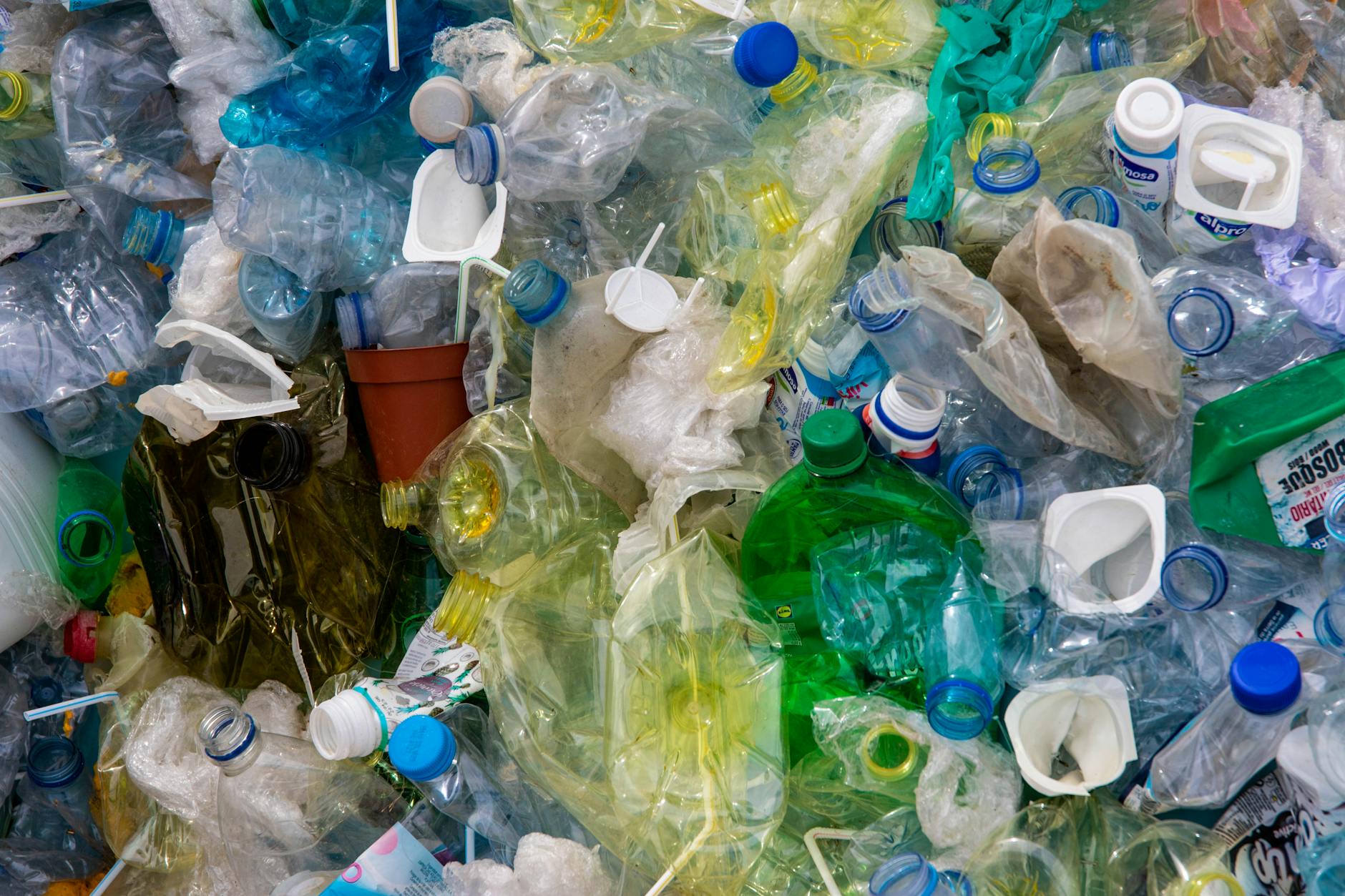
Every piece of plastic that enters the ocean carries a story — and for marine charities across Australia, that story is one they’re working hard to rewrite. Custom branded merchandise has long been a staple fundraising and awareness tool for not-for-profit organisations, but increasingly, the materials behind that merch are becoming just as important as the message printed on them. Ocean plastic recycled branded pens for marine charities sit at the intersection of environmental advocacy and practical promotional strategy, making them one of the most compelling eco-product choices available in 2026. Whether you’re a reseller sourcing stock for a coastal conservation group, a marketing agency managing a campaign for a marine NGO, or a business looking to align with ocean-positive causes, this guide walks you through everything you need to know.
Why Ocean Plastic Pens Are the Right Fit for Marine Charities
There’s a certain authenticity that comes with choosing promotional products made from ocean-bound or ocean-recovered plastic. For a marine charity, distributing a branded pen that was literally made from plastic pulled out of waterways is a conversation starter, a fundraising asset, and a proof point all rolled into one.
Unlike generic eco-friendly pens made from corn starch or recycled paper, ocean plastic pens carry a specific origin story that resonates deeply with donors, volunteers, and event attendees. When someone picks up that pen at a stall on the Bondi Beach foreshore or at a conservation expo in Perth, they’re not just receiving branded stationery — they’re holding a tangible piece of the mission.
For resellers and marketing agencies working with marine-focused clients, this alignment between product and purpose is enormously valuable. It elevates the merchandise beyond a simple giveaway and transforms it into a piece of advocacy. That’s a story worth telling at every touchpoint.
It’s also worth noting that ocean plastic merchandise fits naturally within a broader sustainable merchandise strategy. If you’re already exploring reusable promotional items for eco-conscious brands, adding ocean plastic pens to the mix creates a cohesive, mission-aligned product range.
Understanding Ocean Plastic: What It Actually Means
Before you start placing orders, it’s important to understand the terminology around ocean plastic, because not all “ocean plastic” claims are equal.
Ocean-Bound Plastic vs. Ocean-Recovered Plastic
These two terms are often used interchangeably, but they describe different things:
- Ocean-recovered plastic refers to plastic that has been physically retrieved from oceans, seas, or coastal areas. This is the most premium category and carries the strongest environmental credibility.
- Ocean-bound plastic refers to plastic collected from land-based sources within a certain radius of coastlines (typically 50km) before it reaches the water. This material is more widely available and more cost-effective, but the environmental claim is slightly less direct.
Both are legitimate and meaningful. For marine charities in particular, it’s worth being transparent with your audience about which type of ocean plastic is used in your branded pens. Many reputable suppliers can provide certification documentation — look for certifications from Plastic Bank, the Ocean Plastics Leadership Network, or third-party audited supply chains.
What the Pens Are Actually Made From
Ocean plastic collected from coastal cleanups or certified collection programmes is processed, pelletised, and blended with other recycled polymers to create a stable material suitable for moulding pen barrels and caps. The finished product looks and writes like any standard ballpoint pen — smooth, reliable, and suitable for branding — but with a substantially reduced environmental footprint.
For context on how broader material innovation is shifting the promotional products landscape, our overview of material innovation trends in promotional products is well worth a read before briefing your supplier.
Ordering Ocean Plastic Branded Pens: What Resellers Need to Know
Minimum Order Quantities (MOQs)
MOQs for ocean plastic pens in Australia typically start at around 100 units, though some premium certified ocean plastic lines may require 250–500 units for economical production. For smaller marine charities — particularly those operating out of regional coastal towns or running single annual events — lower MOQs are critical.
When briefing suppliers, be upfront about your client’s event size and budget. Some suppliers offer mixed runs or piggyback orders that can reduce the effective MOQ for smaller organisations. A marine wildlife charity in Hobart, for instance, might order just 150 pens for their annual fundraising dinner, and a flexible supplier should be able to accommodate that.
Decoration Methods for Ocean Plastic Pens
Most ocean plastic pen barrels are suitable for the following decoration methods:
- Pad printing — the most common and cost-effective method; works beautifully on cylindrical pen barrels. Usually 1–4 colours, applied to one or two print areas.
- Screen printing — typically reserved for higher volumes where setup costs are justified.
- Laser engraving — available on some ocean plastic pens with a matte or lightly textured barrel; creates a premium, tactile finish ideal for donor gifts.
- Digital printing — full-colour wraps are possible on some models, allowing for bold ocean-themed artwork.
For marine charities, pad printing in a spot colour (using PMS matching to align with the brand’s blue or teal palette) is usually the most practical and affordable option. Setup fees for pad printing typically run between $50–$80 per colour per position in Australia.
Artwork and Proof Approval
As with any branded merchandise order, you’ll need print-ready artwork. Vector files (.ai, .eps, or .pdf) are the gold standard. Ocean plastic pen barrels tend to have a smaller print area than standard promotional pens, so keep logo designs clean and legible — complex fine detail or small reverse text often doesn’t translate well onto a 5cm barrel.
Always request a digital proof before approving production. For first-time orders, a physical pre-production sample is strongly recommended, particularly if the charity’s branding involves specific PMS colours or ocean-themed photography that needs to reproduce accurately.
If your client is also building out their broader merchandise suite, promotional notebooks with pen sets are a natural complement to ocean plastic pens — and some suppliers offer ocean plastic notebooks that create a beautifully cohesive eco gift pack.
Budgeting for Ocean Plastic Pens in a Charity Context
Ocean plastic pens do carry a price premium over standard promotional pens. In Australia in 2026, you can expect to pay:
- Standard promotional pens: $0.80–$1.50 per unit (at 500+ units)
- Recycled plastic pens (general): $1.20–$2.20 per unit
- Certified ocean plastic pens: $2.50–$5.00 per unit, depending on certification tier and decoration complexity
For charities working with tight budgets, it’s worth helping your client understand that the premium is part of the product story — and that story can support fundraising, grant applications, and donor engagement in ways that a $0.90 plastic pen simply cannot.
For resellers, there’s also a meaningful margin opportunity here. Clients who understand the value of certified ocean plastic merchandise are less price-sensitive than clients shopping purely on cost. Position the product appropriately and the conversation shifts from “how cheap can we go?” to “how do we make this as impactful as possible?”
Sourcing Tips for Resellers and Marketing Agencies
Vetting Supplier Claims
Not all suppliers who claim to offer “ocean plastic” products can back it up with documentation. When vetting suppliers, ask for:
- Chain of custody documentation for the ocean plastic material
- Third-party certifications (Plastic Bank, rePurpose Global, or equivalent)
- Information on where the plastic was collected and by whom
- Whether the manufacturer is a certified B Corp or holds ISO 14001 environmental certification
This due diligence protects your agency or business and protects your client’s reputation. A marine charity that promotes ocean plastic pens only to discover the supply chain documentation doesn’t hold up is in an uncomfortable position.
Turnaround Times
Standard production and delivery for ocean plastic branded pens in Australia typically runs 15–25 business days from artwork approval. If your client has a hard event date — say, World Oceans Day on 8 June or a coastal cleanup event in summer — build in adequate lead time. Rush orders may be possible at an additional cost, but not all ocean plastic product lines support rush production.
Complementary Eco-Products for Marine Charities
While ocean plastic pens are a standout hero product, most marine charity merch programs benefit from a broader eco product mix. Consider pairing them with:
- Recycled tote bags or organic cotton bags for event giveaways
- Plantable seed paper cards or bookmarks as pack-ins
- Bamboo or stainless steel drinkware (no more single-use cups at events — see our thoughts on plastic cup alternatives for more context)
- Eco lanyards made from recycled PET or bamboo fabric
For broader inspiration on building out a sustainable merchandise strategy, our guide to reusable promotional items for eco-conscious brands covers a wide range of product options worth exploring with your clients.
Real-World Applications Across Australia
Marine conservation organisations are active right across the country, from the Great Barrier Reef Marine Park in Queensland to the marine protected areas of South Australia and the pristine waters off Tasmania’s coastline. Each of these organisations represents a potential client for resellers who can offer thoughtfully sourced ocean plastic merchandise.
A few scenarios worth considering:
- A Sydney-based marine rescue charity running a corporate donor event might order 300 ocean plastic pens alongside premium recycled notebooks as a thank-you gift for major supporters.
- A Melbourne environmental NGO attending an expo at the Melbourne Convention Centre might order 500 pens for volunteer distribution and information pack inclusions.
- A Gold Coast ocean conservation group running school education programmes could use ocean plastic pens as a hands-on teaching tool — something tangible to show students what recovered ocean plastic looks like when transformed into a useful product.
- A Perth or Broome-based coastal cleanup network might bundle pens with other eco merchandise for annual fundraiser hampers.
In each case, the pen is more than stationery. It’s evidence of the mission in action.
Conclusion: Key Takeaways for Sourcing Ocean Plastic Recycled Branded Pens for Marine Charities
Ocean plastic recycled branded pens for marine charities represent one of the most purposeful intersections of promotional merchandise and environmental advocacy available today. For resellers, marketing agencies, and businesses looking to support or align with ocean conservation causes, getting the sourcing right matters enormously — both for credibility and for client outcomes.
Here are the key points to carry forward:
- Understand the distinction between ocean-recovered and ocean-bound plastic — and communicate it clearly to your client and their audience.
- Always request certification documentation from suppliers before making claims about ocean plastic provenance.
- Factor in the price premium when budgeting — and help clients see it as part of the product’s storytelling value, not just a cost.
- Plan for adequate lead times — 15–25 business days is standard; rush production isn’t always available for specialist eco product lines.
- Think beyond the pen — ocean plastic branded pens work best as part of a broader eco merchandise suite that reinforces the charity’s environmental mission at every touchpoint.
With the right supplier, the right brief, and the right product, a simple branded pen can carry the weight of an ocean’s worth of advocacy.