
How to Get Photographs Printed on Promotional Products for Corporate Gifts
Discover how to get photographs printed on branded corporate gifts in Australia — from choosing the right products to decoration methods and suppliers.

Written by
Sawyer Abara
Corporate Gifts
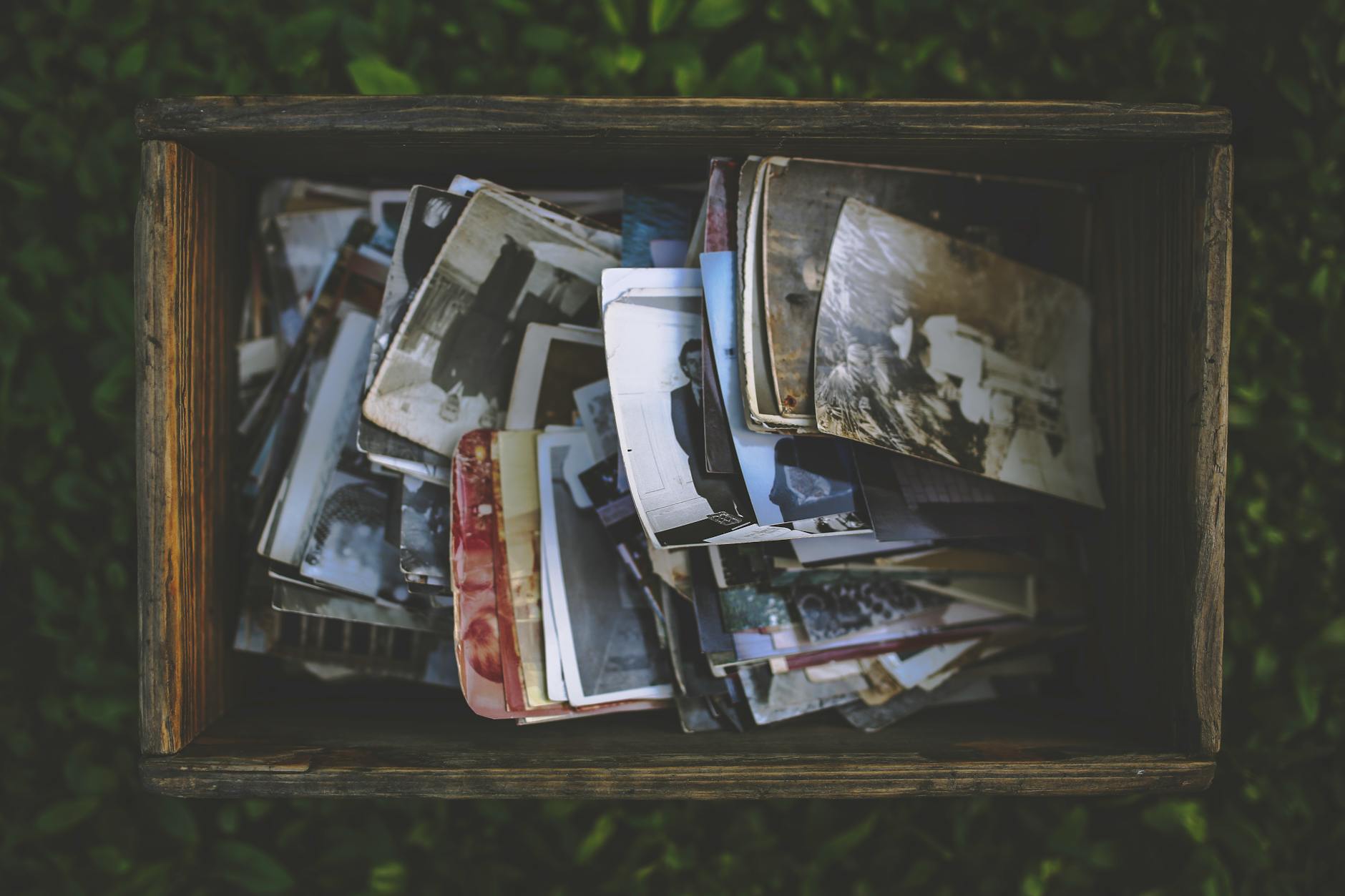
Getting photographs printed on promotional products is one of the most powerful ways to create corporate gifts that genuinely resonate with recipients. Whether you’re a marketing agency putting together a client appreciation campaign, a business celebrating a company milestone, or a reseller sourcing personalised merchandise for a client event, photo-printed promotional items carry an emotional weight that standard branded products simply can’t match. They tell a story. They commemorate a moment. And when done well, they become keepsakes rather than clutter. But navigating the world of photo printing on promotional merchandise — understanding which products work, which decoration methods deliver quality results, and how to manage the process efficiently — requires a solid understanding of how the industry actually operates.
Why Photographs Printed on Promotional Products Make Exceptional Corporate Gifts
Most promotional products do their job well enough. A branded pen gets used. A tote bag carries groceries. But a corporate gift featuring a meaningful photograph? That’s something a recipient actually keeps, displays, and remembers. For businesses and marketing agencies working with clients across Sydney, Melbourne, Brisbane, and beyond, this distinction matters enormously.
The reason photo-printed gifts perform so well comes down to personalisation at scale. When a business can take a powerful image — a team photo from a company retreat, a product launch moment, a milestone event — and reproduce it faithfully across dozens or hundreds of products, they’re creating gifts that feel custom and personal even in bulk quantities.
Think about a Sydney-based financial services firm celebrating its 25th anniversary. Rather than ordering yet another set of embossed leather notebooks, they could source ceramic mugs or premium canvas prints featuring a curated photograph from the company’s early days alongside the current team. The story those products tell is incomparable. Understanding why brand identity matters so deeply makes it clear why these moments of emotional connection are so valuable for corporate gift strategies.
The Difference Between Standard Branding and Photo Printing
It’s worth clarifying upfront: not all promotional product decoration methods are suited to photographs. Embroidery, for instance, is excellent for logos and text on apparel, but cannot reproduce photographic detail with accuracy. Pad printing is similarly limited to simple, flat colour designs.
To get photographs printed successfully on promotional products, you need decoration methods capable of handling full-colour, high-resolution imagery. The two most relevant techniques are:
- Sublimation printing — ideal for polyester fabrics, ceramics, metals, and hard substrates. Produces vivid, photographic-quality results because the ink is absorbed into the material itself rather than sitting on top.
- Digital printing (UV printing) — suitable for a wide range of hard surfaces including phone cases, timber products, glass, and rigid plastic. Excellent for detailed full-colour imagery.
- Direct-to-garment (DTG) printing — used for apparel where you need photographic detail on fabric. Works best on cotton and cotton-blend products.
Each method has its own product compatibility requirements, MOQ thresholds, and cost implications — all of which are worth understanding before you commit to a product category.
Choosing the Right Products for Photographs Printed as Corporate Gifts
Once you understand the decoration methods available, the next step is choosing which products make the most sense for your campaign or gift strategy. Not every promotional product category is compatible with photo printing, but the range that is available is broader than most people assume.
Drinkware
Drinkware is consistently one of the most popular categories for photo-printed corporate gifts. Ceramic mugs are the classic option — sublimation printing on white mugs produces sharp, full-colour results that are both durable and cost-effective at scale. But premium gift options have expanded considerably. Photo-printed stainless steel travel mugs, KeepCups, and insulated tumblers are all achievable with sublimation or UV printing, making them excellent high-perceived-value gifts.
For cold-weather corporate campaigns, winter branded thermal mug sets with sublimated photo panels are a particularly thoughtful touch — especially for clients in Melbourne, Hobart, or Canberra who actually feel the chill.
Apparel
Custom apparel is where photo printing gets genuinely exciting for resellers and agencies. Using sublimation or DTG printing, it’s possible to reproduce photographic imagery on garments including t-shirts, hoodies, and even sports apparel. A Brisbane company running a team-building retreat could have group photos printed onto staff t-shirts as a lasting memento. For creative campaigns or one-off event merchandise, exploring options like tie-dye shirts with custom photo elements or photo-print tee designs for brand campaigns opens up some genuinely distinctive possibilities.
For colder months, photo-sublimated team varsity jackets make premium corporate gifts that pair visual impact with genuine wearability. And for outdoor summer events, custom trucker caps with photo-print panels are a fun and practical choice.
Bags
While full photographic printing on bags requires sublimation-ready materials (typically polyester), the category offers some excellent options. Sublimation-compatible tote bags are widely available and allow full-panel photographic designs. A Perth marketing agency putting together a branded event bag for a client conference, for example, could feature a striking landscape photograph on the front panel alongside the client’s logo.
If you’re working with eco-conscious clients, consider the range of reusable shopper bags or reusable promotional items with sublimation-friendly options — a growing area as sustainability expectations continue to rise across Australian corporate procurement. Standard shopper bags and tote bags for beach or leisure giveaways are also worth considering for lifestyle-oriented campaigns.
Lifestyle and Home Products
Beyond apparel and drinkware, photo printing works well across a range of lifestyle and home products. Custom photo cotton tea towels are a surprisingly popular choice for corporate gifts — particularly for food and hospitality businesses. Sublimated small water bottles or reusable drink bottles make practical gifts that carry photographic imagery well.
For gifts with a premium feel, photo-printed products like framed canvas prints, cushions, blankets, or timber photo blocks all work well as executive or milestone corporate gifts. Wine events or client entertainment campaigns might pair nicely with photo-printed wine cooler bags or wine cooling bags featuring a commemorative image from a company function.
Artwork and File Requirements for Photo Printing
One of the most common issues that slows down photo printing projects is poor artwork preparation. Unlike logo-based branding — where a vector file is typically sufficient — photograph printing requires specific file formats and resolution standards.
Here’s what suppliers and decorators will typically need:
- Minimum resolution of 300 DPI at the intended print size. A photograph that looks sharp on a phone screen may be completely unusable at print dimensions.
- RGB or CMYK colour mode depending on the printing method — always confirm with your supplier.
- JPEG, PNG, or TIFF file formats are generally acceptable; JPEG is most commonly requested for photo files.
- Avoid stock images unless you hold the appropriate commercial licence — this is a legal and ethical requirement that often gets overlooked.
If you’re a reseller managing this on behalf of a client, it’s worth building an artwork briefing checklist into your onboarding process. Requesting the highest-resolution version of every photograph upfront — and clarifying copyright ownership — will save significant back-and-forth during the proofing stage.
Budgeting and Minimum Order Quantities
Photo printing projects often carry slightly higher unit costs than standard single-colour logo printing, primarily because of the complexity of full-colour decoration and, in some cases, additional setup fees. Here’s a rough framework to guide budget conversations:
- Sublimation on ceramics: Cost-effective at low MOQs (sometimes as few as 12–24 units), making it accessible for boutique corporate gift runs.
- Sublimation on apparel: Often MOQs of 25–50 units; full photographic sublimation on garments is more expensive per unit than standard screen printing but offers unmatched detail.
- DTG printing: Can accommodate very low MOQs (sometimes single units), making it useful for high-value individual gifts or prototyping.
- UV printing on hard substrates: MOQs vary widely; typically 10–50 units depending on the product.
For agencies managing seasonal gift campaigns, it’s worth planning well ahead of key dates. Staff Christmas gifts that include photo-printed elements, for example, need to be commissioned at least 6–8 weeks before delivery to allow for proofing, production, and freight.
Similarly, reusable office supplies with photo-printed panels are growing in popularity as desk-friendly corporate gifts — and these often require 4–6 weeks production lead time, particularly if they involve complex sublimation across shaped surfaces.
Working With Suppliers: What to Ask Before You Order
When sourcing a supplier for photographs printed on promotional products, the quality of their decoration capability matters enormously. Photo printing is unforgiving — a low-quality print process will expose every flaw in colour accuracy and resolution.
Key questions to ask any potential supplier:
- Can you provide a digital proof before production? Always insist on this for photo-printed products. Colour calibration between screens and physical prints can vary significantly.
- What is your colour matching process? Ask whether they work to a specific colour profile and whether they can provide a pre-production sample.
- What are your artwork rejection criteria? A good supplier will flag low-resolution files immediately rather than proceeding with a substandard result.
- What is your turnaround time? Standard turnaround for sublimation products is typically 10–15 business days from artwork approval, but this varies.
For award and recognition gifts where photo printing adds emotional significance, such as custom trophies for sales target achievement, photographic elements on the accompanying gift (rather than the trophy itself) can enhance the overall presentation considerably.
Conclusion: Key Takeaways for Getting Photographs Printed on Promotional Merchandise
Getting photographs printed on promotional products is a genuinely impactful corporate gifting strategy — but it requires more planning and supplier diligence than standard logo-branded merchandise. Here’s what to keep in mind as you move forward:
- Choose the right decoration method — sublimation, digital UV printing, and DTG are the only methods capable of faithfully reproducing photographic imagery on promotional products.
- Product compatibility matters — not every promotional product can be photo-printed; sublimation-compatible materials and surfaces are non-negotiable for quality results.
- Artwork quality is everything — always request the highest-resolution photograph available, confirm file format requirements with your supplier, and never proceed without a digital proof.
- Plan for longer lead times — photo printing projects typically require 4–8 weeks from brief to delivery, particularly for complex or large-volume orders.
- Budget accordingly — photographs printed gifts typically cost more per unit than standard branded merchandise, but the perceived value and retention rate among recipients is significantly higher, making the ROI strong for the right campaigns.
For resellers, agencies, and businesses looking to elevate their corporate gift strategy in 2026, photographs printed on the right products — sourced through capable, quality-focused suppliers — remain one of the most compelling options available.