
Bag Tags and Luggage Labels: The Complete Guide for Promotional Suppliers
Discover how bag tags and luggage labels work as branded promotional products. A supplier guide for Australian resellers and marketers.

Written by
Lucy Hassan
Bags & Totes
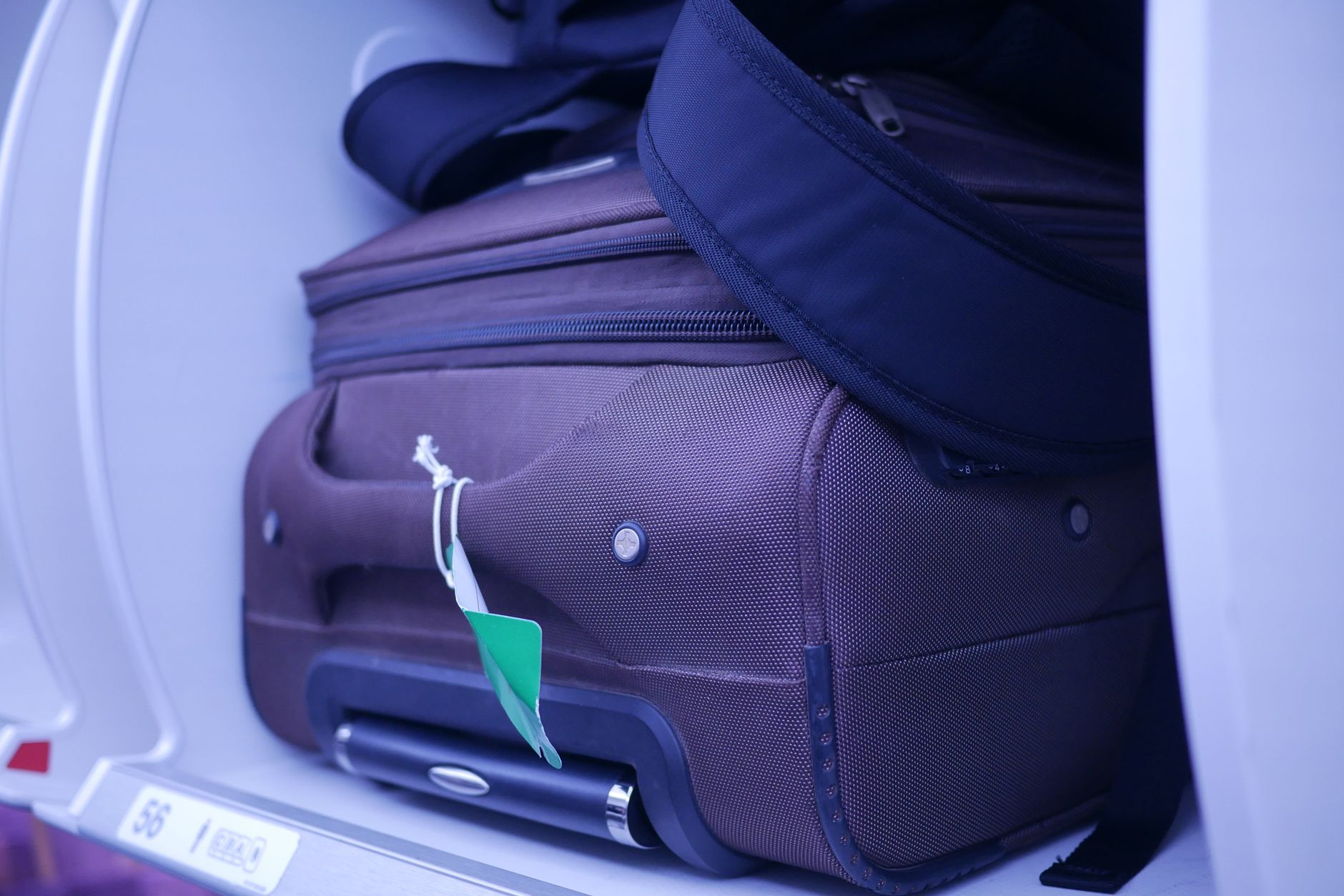
Bag tags and luggage labels might seem like a humble product category, but they punch well above their weight as a promotional item. Whether you’re sourcing branded merchandise for a travel company, a corporate conference, a school excursion programme, or a frequent-flyer loyalty reward, bag tags offer something that few other promotional products can match: ongoing, highly visible brand exposure every time a bag moves through an airport, hotel lobby, or school corridor. For Australian resellers and marketing agencies looking to offer clients a practical yet memorable branded item, understanding the full landscape of bag tags luggage products — from materials and decoration methods to minimum order quantities and supplier lead times — is essential.
Why Bag Tags and Luggage Labels Are a Smart Promotional Product Choice
In the world of branded merchandise, longevity matters. A disposable item gets used once and forgotten; a quality bag tag can stay on a piece of luggage for years. That’s a compelling value proposition for any marketing budget.
Consider a Sydney-based travel agency rewarding loyal customers with co-branded luggage tags. Every airport check-in queue, every hotel carousel, every overhead locker is a passive brand impression. Unlike a brochure or flyer, a well-made bag tag doesn’t end up in the bin after a few days. It travels, literally, creating repeated impressions in high-footfall environments.
For corporate clients, bag tags are also an excellent fit for conference or event merchandise. A Melbourne conference organiser might attach a branded luggage tag to every delegate’s welcome kit, ensuring that 500 attendees carry the event branding home — and into every subsequent trip they take.
Resellers should also appreciate the upsell opportunity. Bag tags pair naturally with other travel-related promotional products. Clients ordering branded bag tags are often receptive to complementary items like personalised drink bottles for hydration on the go, or power banks for phone charging during long-haul flights.
Understanding Bag Tags Luggage Product Types and Materials
Not all bag tags are created equal. Before approaching a supplier, it’s important to understand the key product variants available in the Australian market, as each has different decoration options, price points, and suitability for different campaigns.
Hard PVC and Rubber Bag Tags
Hard PVC and soft rubber bag tags are among the most popular promotional formats. They’re durable, waterproof, and hold their shape through the rough-and-tumble of baggage handling. These are typically produced via injection moulding or die-cutting, and can be manufactured in custom shapes — which is a significant advantage for brand differentiation. A die-cut tag shaped like a company logo or product silhouette creates instant recognition on a baggage carousel.
Decoration on PVC tags is typically achieved through pad printing or full-colour printing directly onto the surface. For more premium finishes, some suppliers offer debossed or embossed branding with colour fill.
Leather and Faux-Leather Bag Tags
For premium gifting campaigns — think client Christmas gifts or executive travel kits — leather or faux-leather bag tags are a natural fit. They convey quality and longevity, and are particularly well suited to laser engraving or debossing for a refined, understated aesthetic. If you’re already sourcing upscale branded items, these pair beautifully with other premium products like duffle bags or team varsity jackets for a cohesive merchandise suite.
Perth and Adelaide-based agencies working with mining, resources, or professional services clients tend to find premium leather bag tags an easy sell — especially as part of client Christmas gift ideas or end-of-financial-year recognition packs.
Fabric and Neoprene Bag Tags
Fabric bag tags, often made from woven polyester or neoprene, are a popular choice for schools, sporting clubs, and community organisations. They’re lightweight, inexpensive, and can be produced with vibrant full-colour designs via sublimation printing. A Brisbane primary school ordering bags for a camp programme, for example, might choose sublimated fabric tags so every student’s bag is easy to identify — and the school colours and logo are prominently displayed.
Sublimation is particularly effective on fabric and neoprene substrates, enabling edge-to-edge, photographic-quality printing. This opens up creative possibilities that hard-surface materials simply can’t match.
Acrylic and Aluminium Bag Tags
Acrylic and aluminium tags sit in the mid-to-premium tier. Aluminium tags in particular are popular in the aviation and defence sectors, where durability is non-negotiable. Laser engraving onto anodised aluminium produces sharp, permanent branding that won’t fade or chip over time. Acrylic tags offer a sleek, modern aesthetic and can be produced with frosted or clear finishes.
Key Decoration Methods for Branded Bag Tags
Choosing the right decoration method is as important as choosing the right substrate. Here’s a quick breakdown of what to expect:
- Pad printing: Ideal for hard PVC and rubber tags. Suited to 1–4 colour logos. Cost-effective for large runs.
- Laser engraving: Best for leather, faux-leather, aluminium, and acrylic. Produces permanent, high-quality results. Particularly popular for premium or executive campaigns.
- Sublimation: Best for fabric and neoprene tags. Enables full-colour, all-over decoration. Great for vibrant, photo-quality prints.
- Debossing / embossing: Common on leather tags for a tactile, premium finish. Often used without colour fill for a minimalist look.
- Digital printing: Suitable for paper-insert style tags where a printed card slides into a clear PVC window — popular for budget-friendly bulk orders.
Resellers should communicate clearly with clients about what decoration method aligns with their artwork, budget, and intended use case. A full-colour gradient logo won’t translate well onto a pad-printed PVC tag, but it will look outstanding on a sublimated neoprene tag.
Minimum Order Quantities, Pricing, and Lead Times
Understanding typical MOQs and lead times is critical for managing client expectations and project timelines, particularly in the Australian market where imported goods often have longer production windows.
For standard PVC or fabric bag tags, most Australian suppliers work with MOQs starting at 50–100 units. Premium leather or custom-moulded PVC tags may require a minimum of 250–500 units, reflecting higher tooling or setup costs. Acrylic and aluminium tags often have lower MOQs — sometimes as few as 25–50 units — making them viable for smaller corporate gifting campaigns.
Turnaround times vary considerably. For stock-shape PVC tags with pad printing, expect 10–15 business days from artwork approval for domestically decorated products. Custom-moulded or imported tags may require 4–8 weeks, including sea freight from offshore manufacturing. For time-sensitive campaigns — like a Gold Coast expo or a Canberra government event — always confirm lead times before committing to a product.
Pricing is equally variable. Budget fabric or PVC tags can be sourced for as little as $1.50–$3.00 per unit at volume. Mid-range leather or aluminium tags typically sit between $5.00–$12.00 per unit. Fully custom die-cut PVC or premium leather tags can exceed $15.00–$20.00 per unit for smaller quantities.
Setup fees are standard across most decoration methods. Pad printing setups typically cost $50–$80 per colour. Laser engraving and sublimation often carry a one-off file or setup fee of $30–$60. Always factor these into client quotes to avoid margin surprises.
Artwork and Specification Requirements
Artwork preparation is an area where resellers frequently encounter friction. Getting it right upfront saves time and prevents costly reprints.
For most bag tag suppliers, artwork should be provided as vector files (AI, EPS, or PDF with outlined fonts). Raster images (JPEG, PNG) are generally only acceptable for sublimation or digital printing at sufficiently high resolution (300 dpi minimum at print size). PMS colour matching should be specified for any pad or screen-printed work where brand colour accuracy matters.
Custom shapes for die-cut or moulded PVC tags require a dieline or shape guide — either provided by the supplier or developed in collaboration with your artwork team. Always request a physical pre-production sample for custom-moulded products before approving a full production run. The tooling investment makes any post-production corrections expensive.
Pairing Bag Tags with Other Branded Products
One of the genuine strengths of bag tags as a product category is their versatility as part of a broader merchandise bundle. They’re rarely sold in isolation for corporate campaigns.
For travel-themed merchandise bundles, consider pairing bag tags with personalised drink bottles or power banks — both practical travel companions. For school or camp programmes, bag tags work well alongside branded hooded towels for adults or custom apparel from a tees brand that aligns with school colours.
For pet-friendly audiences, it’s worth noting that the personalisation principles that apply to bag tags translate directly to adjacent categories — much like personalised dog collars in Australia demonstrate the appetite for custom identification products across multiple markets.
Sourcing Bag Tags Luggage Products Through the Right Supplier
For Australian resellers, supplier selection is the foundation of a reliable, profitable bag tag product offering. Key criteria to evaluate include:
- Production transparency: Does the supplier clearly state where products are manufactured and decorated?
- Sample availability: Can you order pre-production or stock samples before committing to a full run?
- Decoration in-house vs. outsourced: In-house decoration generally means faster turnaround and greater quality control.
- Range depth: Does the supplier offer multiple substrates and decoration methods, or are they limited to one format?
- Customer service and proofing process: Do they provide digital proofs before production commences, and is there a clear approval process?
Working with established Australian promotional product suppliers — those with a physical presence and verifiable production capabilities — significantly reduces the risk of quality issues, delayed shipments, and margin erosion.
Conclusion: Key Takeaways for Resellers and Marketers
Bag tags and luggage labels are a deceptively versatile promotional product with strong brand longevity, broad audience appeal, and multiple price points to suit any client budget. As a reseller or marketing agency sourcing bag tags luggage products for Australian clients, the key is matching the right product format, decoration method, and supplier to each specific brief.
Here are the key points to carry forward:
- Match the substrate to the use case: PVC and rubber for durability, fabric and neoprene for vibrant colour, leather for premium gifting, aluminium for longevity.
- Clarify decoration methods early: Different substrates require different techniques — brief your clients and set artwork expectations upfront.
- Account for lead times: Custom or imported bag tags can take 4–8 weeks; always build buffer time into project plans.
- Bundle strategically: Bag tags pair naturally with travel accessories, bags, and apparel for high-impact merchandise kits.
- Vet your suppliers carefully: Look for transparency, in-house decoration capability, and a clear proofing process before committing to a production run.