
The Complete Guide to Ordering Custom Merchandise in Australia for Businesses
Discover how to source, order and manage custom merchandise in Australia. Expert tips for businesses, resellers and marketing agencies.

Written by
Sawyer Abara
Corporate Gifts
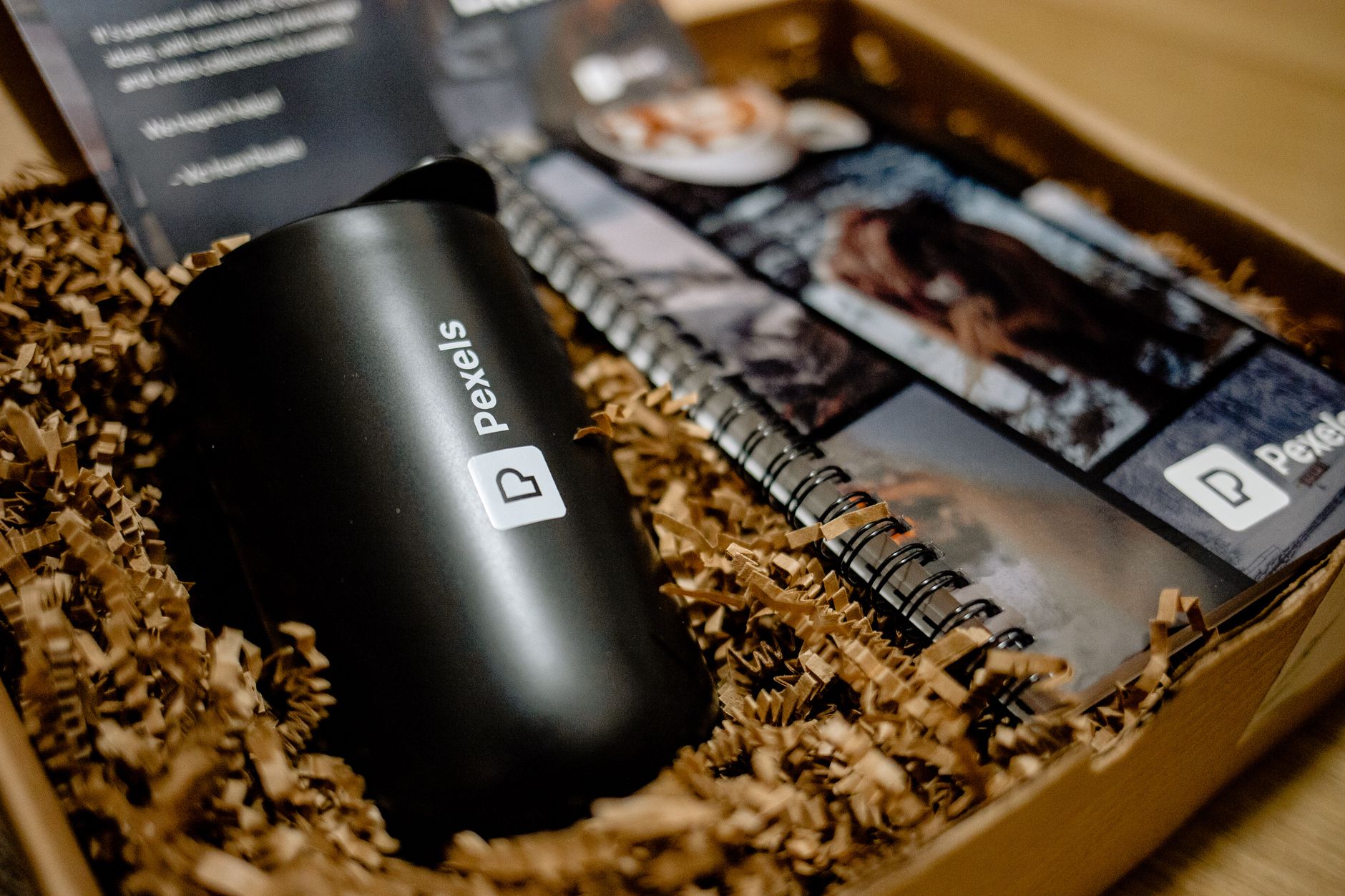
Sourcing quality custom merchandise in Australia has never been more strategic — or more competitive. Whether you’re a marketing agency pulling together a branded gift pack for a major client, a reseller building out your product catalogue, or an in-house marketing manager trying to make a budget stretch further, the world of custom merch can feel overwhelming at first. Minimum order quantities, decoration methods, lead times, supplier relationships — there are a lot of moving parts. This guide is designed to cut through the noise and give you a practical, expert-backed roadmap for navigating the Australian promotional products market with confidence.
What Is Custom Merchandise and Why Does It Matter in Australia?
Custom merchandise refers to any physical product that has been personalised or branded — typically with a logo, tagline, or design — for use in marketing, gifting, employee recognition, event activations, or retail purposes. In Australia, the promotional products industry is substantial, with demand driven by everything from national sporting associations in Brisbane to tech startups in Sydney’s CBD seeking premium unboxing experiences.
The core value of custom merch lies in its tangibility. Unlike a digital ad that disappears after a scroll, a well-made branded product sits on a desk, gets worn around the city, or travels with a customer for years. That ongoing visibility translates to real brand impressions — often at a surprisingly low cost per contact when ordered in volume.
For resellers and agencies, understanding the custom merchandise landscape in Australia is fundamental to serving clients well. Choosing the right product, pairing it with the right decoration method, and working with the right supplier can mean the difference between a campaign that delivers and one that disappoints.
Key Product Categories in the Australian Custom Merchandise Market
The range of products available for customisation in Australia is genuinely vast. Breaking it down by category makes it easier to align product choices with client objectives.
Apparel and Wearables
Branded clothing remains one of the most requested categories. From personalised polo and t-shirts for corporate uniforms to team varsity jackets for sporting clubs and schools, apparel offers enormous visibility. Embroidery tends to be the preferred decoration method for polos and jackets in a corporate context — it reads as premium and holds up well through repeated washing.
For more casual or event-driven applications, screen printing is cost-effective at scale. If you’re looking to design a t-shirt in Australia for a team event or promotional campaign, screen printing typically becomes economical from around 25–50 units, making it accessible for medium-sized orders. For headwear and patches, check out options like embroidered patches in Australia — they add a tactile, premium feel that resonates particularly well with streetwear-adjacent brands and youth organisations.
Don’t overlook niche apparel categories either. Personalised fishing shirts are hugely popular with outdoor recreation brands and trade businesses operating in regional Queensland and Western Australia, where workwear meets lifestyle branding.
Drinkware
Drinkware is consistently one of the top-performing promotional product categories in Australia — and for good reason. Products like personalised drink bottles and reusable water bottles align naturally with the sustainability values many Australian organisations want to project. They’re functional, frequently used, and visible in gyms, offices, schools, and commutes.
Keep cups are another standout in this space, especially for corporate gifting in Melbourne and Sydney where café culture is deeply embedded. For events or hospitality-focused clients, wine cooling bags offer a premium gifting option that sits comfortably in the $15–$40 price range per unit.
Bags and Totes
Bags offer excellent print real estate and practical daily use. Reusable shopper bags have become a staple for retail brands, councils, and sustainability campaigns — particularly as single-use plastic restrictions continue to evolve across Australian states. Shopper bags in non-woven polypropylene or cotton canvas are the workhorses of this category, with MOQs often starting as low as 50–100 units.
Stationery and Tech
For B2B gifting and conference merchandise, personalised notebooks and branded power banks for phones remain perennially popular. Notebooks pair well with pens for a cohesive desk set, while power banks offer genuine utility that recipients actually appreciate rather than just tuck into a drawer.
Seasonal and Novelty Items
Don’t underestimate the power of seasonal products. Personalised Christmas baubles are a brilliant end-of-year gift option for clients and staff alike — particularly for real estate agencies and professional services firms in Adelaide and Canberra looking to leave a memorable impression. Similarly, personalised key rings are a perennially low-cost, high-impact option that works across virtually every sector.
Understanding Decoration Methods for Custom Merchandise in Australia
Choosing the right decoration method is just as important as choosing the right product. The method affects cost, minimum quantities, turnaround time, and the overall look and feel of the finished product.
Embroidery
Best suited to caps, polos, jackets, and bags. Embroidery is durable and reads as premium. It does have limitations with very fine detail or gradient colours, so it works best with clean, bold logo designs.
Screen Printing
Ideal for t-shirts, tote bags, and flat substrates. Screen printing is cost-effective at volume but typically involves a setup fee per colour. It’s not suited to very small runs unless you’re working with a supplier who offers digital alternatives.
Laser Engraving
Perfect for metal or wooden items — think drinkware, key rings, awards, and tech accessories. Laser engraving creates a permanent, high-end finish and is a popular choice for premium corporate gifting.
Pad Printing
The go-to for pens, small promotional items, and irregular surfaces. Pad printing is cost-effective for large quantities and is widely used across the promotional products industry in Australia.
Sublimation
Sublimation printing allows for full-colour, edge-to-edge decoration — ideal for items like cotton tea towels, adult hooded towels, and all-over print apparel. It requires polyester or poly-blend substrates to work effectively.
Practical Tips for Ordering Custom Merchandise in Australia
Whether you’re placing your first order or your fiftieth, these practical considerations will help you get better outcomes.
Define Your Brief Before Approaching Suppliers
A clear brief saves time and reduces errors. Before reaching out to any supplier, confirm the following: product type, quantity, required decoration method, colour requirements (including any PMS references), delivery deadline, and budget per unit. The more specific your brief, the more accurate your quote will be.
Factor in Lead Times Honestly
Standard production for most custom merchandise in Australia runs between 10 and 15 business days from artwork approval — not from order placement. If your client is planning a conference in Perth in six weeks, you need to account for proof approval, production, and freight. Rush orders are sometimes available but typically attract a premium.
Understand MOQs and Their Impact on Unit Cost
Minimum order quantities vary significantly by product. A branded pen might have an MOQ of 100 units, while a custom notebook might start at 50. Understanding MOQs upfront helps you set realistic expectations with clients and avoid the trap of ordering far more than needed just to hit a price point. Bulk pricing tiers generally kick in at 100, 250, 500, and 1,000 units — so where possible, encourage clients to consolidate orders.
Request Physical Samples Where Possible
For any order above $500 in value, it’s worth requesting a pre-production sample or an existing product sample from the supplier’s showroom. This is especially important for apparel (to check sizing and fabric weight) and premium gifts where the tactile quality matters.
Artwork Preparation
Most Australian suppliers require vector artwork files (AI, EPS, or print-ready PDF) for screen printing, embroidery digitising, and pad printing. Providing correct artwork upfront — with the right colour breakdowns — avoids delays and additional artwork fees. If you’re working with clients whose logos only exist as JPEG files, build artwork preparation time into your project schedule.
Custom Merchandise for Specific Australian Sectors
Different sectors have distinct needs and expectations when it comes to branded merchandise.
Corporate and Professional Services: Premium drinkware, leather notebooks, and power banks packaged in branded boxes are highly valued. Presentation matters as much as the product itself.
Education: Schools across New South Wales and Victoria frequently order custom apparel for sports carnivals, year 12 graduations, and school camps. Budget-consciousness is key, but quality still matters for wearability.
Events and Conferences: High-impact, lightweight items that fit easily into a delegate bag perform best — think lanyards, notebooks, branded confectionery like Jaffa chocolates, and reusable totes.
Resellers and Agencies: If you’re operating as a reseller, building supplier relationships that give you access to preferred pricing, priority production slots, and reliable stock levels is critical. The ability to offer clients a broad product range — from personalised cards through to full uniform programmes through established t-shirt brands — differentiates a capable reseller from a one-job vendor.
Pet and Lifestyle Brands: Niche doesn’t mean small opportunity. Products like personalised dog collars cater to a passionate and growing market segment with strong repeat purchase behaviour.
Conclusion: What to Remember About Custom Merchandise in Australia
The Australian custom merchandise market rewards those who approach it with preparation, product knowledge, and clear communication. The difference between a frustrating experience and a seamless one usually comes down to having a tight brief, realistic timelines, and a reliable supplier relationship.
Here are the key takeaways to carry forward:
- Choose products with purpose — align the product category with the recipient’s lifestyle and the brand’s values, not just what’s cheapest
- Understand decoration method suitability before quoting or specifying a product to avoid costly changes mid-project
- Build lead time buffers — for Australian businesses, 15–20 business days from order placement to delivery is a practical planning benchmark
- Consolidate orders where possible to hit better pricing tiers and reduce per-unit costs for your clients or business
- Invest in supplier relationships — consistent, communicative suppliers who understand your volume and quality expectations are worth their weight in branded merchandise
Custom merchandise in Australia is a dynamic, opportunity-rich space. With the right knowledge and the right partners, it’s entirely possible to deliver branded products that genuinely move the needle for the organisations you work with.