
Material Innovation Trends in Promotional Products Shaping the Industry in 2026
Explore the biggest material innovation trends in promotional products and discover how Australian businesses and resellers can stay ahead in 2026.

Written by
Mabel Hayes
Industry Trends & Stats
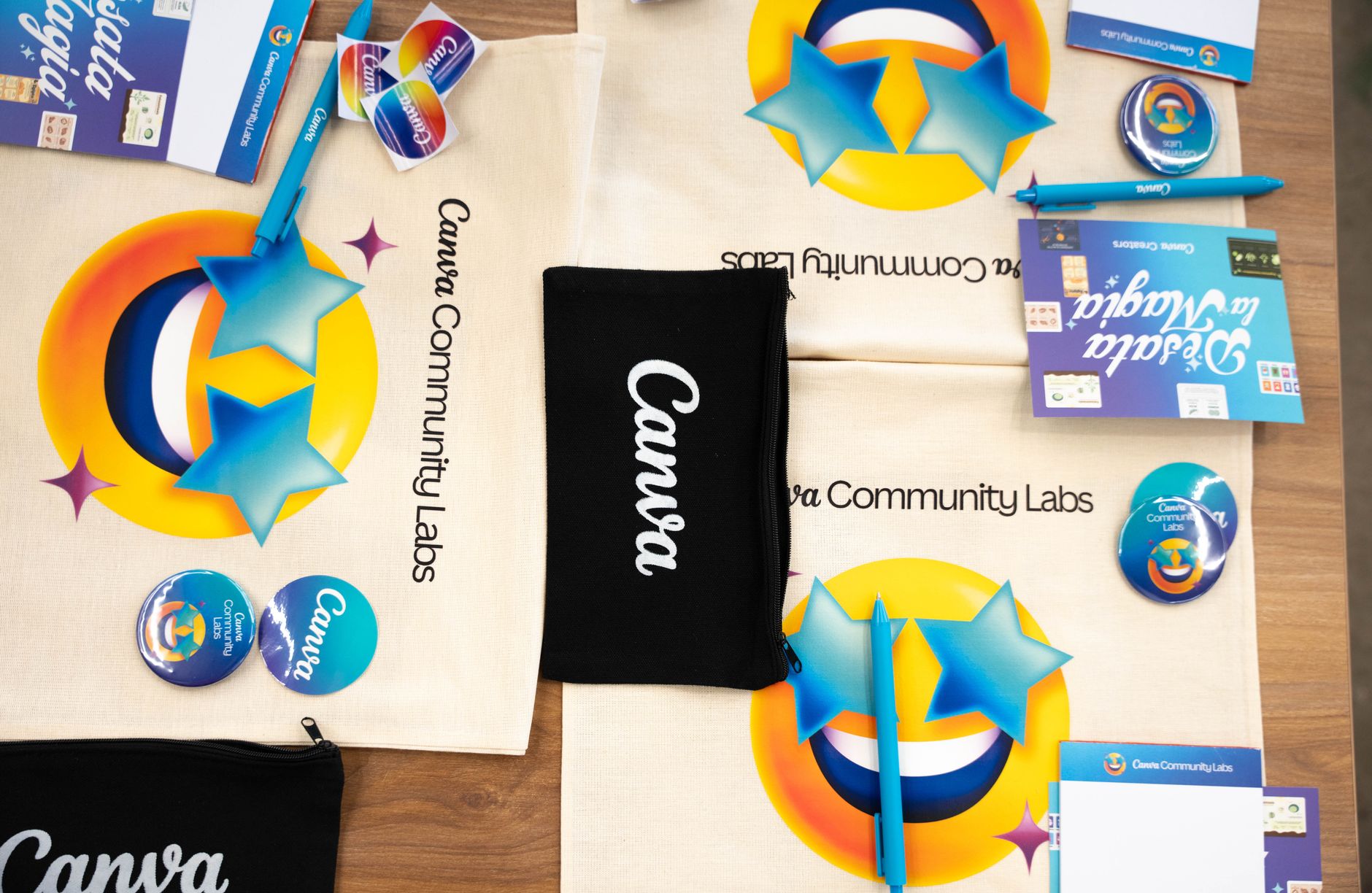
The promotional products industry has always evolved — but right now, material innovation trends in promotional products are advancing faster than at any point in recent memory. From plant-based plastics and ocean-recovered fibres to phase-change cooling fabrics and antimicrobial coatings, the raw materials behind branded merchandise are being completely reimagined. For Australian resellers, marketing agencies, and the businesses they serve, understanding these shifts isn’t just interesting — it’s commercially essential. Clients are asking harder questions about sustainability, durability, and perceived value, and the suppliers who can answer those questions with genuinely innovative materials will win the brief every single time.
Why Material Innovation Is Reshaping the Promo Industry
For decades, promotional products were largely defined by their decoration — the logo, the colour, the print. The underlying material was almost an afterthought, selected primarily on cost. That thinking is changing rapidly, driven by a perfect storm of consumer expectations, corporate sustainability targets, government procurement guidelines, and genuine advances in materials science.
Australian organisations — from Sydney-based multinationals to Darwin council departments — are now specifying material requirements in their merchandise briefs. A Melbourne marketing agency pitching branded merchandise to a B-Corp client can’t simply offer a generic plastic water bottle anymore. The material story needs to hold up to scrutiny.
There’s also a commercial angle worth noting: innovative materials create premium positioning. A branded item made from stone paper, recycled ocean plastic, or mycelium-based packaging commands a higher perceived value than a standard equivalent. That means better margins for resellers and a stronger impression for the end client.
The Biggest Material Innovation Trends in Promotional Products Right Now
1. Recycled and Ocean-Recovered Plastics
Recycled PET (rPET) has moved from novelty to expectation. Originally found in premium eco totes and performance apparel, rPET is now appearing across a far wider product range — from branded cooling bags to lanyards, stationery pouches, and even notebook covers. The key development in 2026 is traceability: suppliers with certified supply chains that can document exactly where the recycled content originated are becoming significantly more competitive.
Ocean-recovered plastic takes this a step further. Products made from plastics intercepted from coastal waterways carry a compelling narrative that resonates particularly well in coastal Australian cities like Brisbane, Gold Coast, and Perth. Branded drink bottles, badge reels, and card holders in this category are seeing strong uptake among organisations with visible environmental commitments.
Even the humble plastic cup is being reimagined — reusable event cups made from food-grade recycled polypropylene are now a credible, durable alternative to single-use options for sporting events and festivals.
2. Bamboo and Rapidly Renewable Plant-Based Materials
Bamboo isn’t new to promotional products, but the range of applications continues to expand in impressive ways. Once limited to pens and cutting boards, bamboo is now used in USB drives, phone stands, sunglasses, coasters, and even apparel blends. The material’s appeal is clear: it’s fast-growing, naturally antibacterial, and produces a premium aesthetic that photographs beautifully for marketing materials.
For resellers working with eco-conscious clients, our deep dive into bamboo promotional items for green businesses provides a solid overview of what’s available and how to position these products. Beyond bamboo, cork, wheat straw, and sugar cane bagasse are gaining significant traction — particularly in drinkware, stationery, and packaging applications.
What’s particularly exciting is the development of bamboo-cotton blended fabrics for custom apparel. A Brisbane primary school ordering custom sports day tee-shirts in a bamboo-cotton blend gets the softness and breathability of natural fibres with a lower environmental footprint than conventional cotton — and a story parents genuinely appreciate.
3. Stone Paper and Tree-Free Stationery
Stone paper — made from calcium carbonate and a small amount of HDPE resin — is one of the more surprising innovations to hit the promo stationery space. It requires no water or trees in production, is naturally water-resistant, and delivers a smooth writing surface that feels noticeably premium. For branded notebooks, notepads, and journals, this material offers a genuine point of difference.
Given the strong growth in branded wellness products, it pairs particularly well with branded wellness journals for gym and fitness centres — the water-resistant pages are an obvious practical benefit in a gym environment where moisture is a constant concern.
4. Antimicrobial and Functional Coatings
Post-pandemic awareness has had a lasting effect on how organisations think about high-touch promotional items. Antimicrobial coatings — often silver ion-based — are now being applied to products like pens, lanyards, badge holders, and branded USB drives. These coatings inhibit the growth of bacteria and other microorganisms on the product’s surface, extending the hygienic lifespan of the item.
For resellers supplying healthcare organisations, aged care facilities, and schools, this is a meaningful material innovation rather than a gimmick. A Canberra government department distributing branded stationery across multiple offices will find genuine operational value in antimicrobial pens and desk accessories. If you supply promotional USB drives, it’s worth checking whether your supplier offers antimicrobial housing options — they’re becoming increasingly available at competitive price points.
5. Phase-Change and Performance Fabrics
In the custom apparel category, the innovation happening at the fabric level is remarkable. Phase-change materials (PCMs) — originally developed for aerospace — are now being incorporated into workwear and activewear fabrics. These materials absorb and release thermal energy to help regulate the wearer’s body temperature, which has obvious applications for outdoor workers, sporting clubs, and events held in extreme Australian conditions.
For electrical contractors, tradies, and construction workers operating in Queensland and the Northern Territory, custom tool belts and workwear made from performance fabrics aren’t just a comfort upgrade — they’re a practical safety consideration. Similarly, hi-vis workwear made with moisture-wicking and UV-blocking functional fabrics is moving from a speciality product to a standard expectation.
6. Mycelium and Bioplastics
At the cutting edge, mycelium (mushroom root structure) is being developed as a packaging and product material with extraordinary properties — it’s lightweight, biodegradable, and can be grown into precise shapes. While not yet mainstream in promotional products, several global suppliers are trialling mycelium-based gift box inserts and branded packaging. Australian resellers working with premium clients should monitor this space closely — it will likely reach commercially viable MOQs within the next two to three years.
Bioplastics derived from corn starch, sugarcane, or cassava are already available in some product categories, including pens, cups, and bags. Unlike conventional plastics, certified compostable bioplastics can break down in industrial composting conditions, giving organisations a genuine end-of-life solution for their branded merchandise.
How to Position Material Innovations for Different Clients
Understanding the trends is one thing — knowing how to apply them for specific client sectors is where resellers and agencies add genuine value.
Corporate clients tend to respond to the combination of premium aesthetics and sustainability credentials. Stone paper notebooks, rPET bags, and bamboo desk accessories check both boxes and position the brand as forward-thinking.
Schools and educational institutions are increasingly focused on durability and safety, particularly for younger children. If you’re sourcing custom kids’ t-shirts in Australia, look for suppliers offering OEKO-TEX certified fabrics — a standard that verifies the material is free from harmful substances.
Government and councils — particularly those in Victoria, South Australia, and the ACT — often have formal sustainable procurement policies. Material certifications (GRS, FSC, OEKO-TEX, seedling certified compostable) are frequently a procurement requirement rather than a nice-to-have.
Sporting clubs benefit from performance fabric innovations, particularly in activewear, bags, and drinkware. Insulated bottles that use phase-change gel liners for extreme temperature retention are a compelling upgrade from standard stainless steel options.
Regional businesses, including Tasmanian operators who may be exploring Hobart promotional products, often appreciate materials with a strong provenance story — locally sourced timber, Australian-grown organic cotton, or regionally certified sustainable wood for laser-engraved products.
Practical Considerations for Resellers and Agencies
Before recommending an innovative material to a client, run through these key questions:
- What’s the MOQ? Innovative materials often carry higher minimum order quantities. Stone paper notebooks, for example, may start at 100–250 units, which can be a barrier for smaller clients.
- What’s the lead time? Specialist materials may require longer production or import timelines. Build 2–4 extra weeks into your schedule for first-time material orders.
- Are certifications available? If your client is using the product for sustainability reporting or ESG documentation, they’ll need formal certification. Always request documentation from your supplier.
- How does it affect decoration? Some materials respond differently to standard decoration methods. Bamboo, for instance, takes laser engraving beautifully but may not be suitable for screen printing. Stone paper works well with digital and offset printing but behaves differently to standard paper stocks.
- What’s the disposal pathway? Compostable, recyclable, or biodegradable — clients increasingly want to know. Make sure you can give them an accurate answer.
For event merchandise, it’s also worth considering the full lifecycle. Beautifully designed custom coaster sets in Melbourne made from cork or recycled rubber are not only practical at corporate events but serve as a subtle material innovation story when presented at sustainability-focused brand activations.
Conclusion: Staying Ahead of Material Innovation Trends in Promotional Products
The velocity of change in this space means that resellers and agencies who stay informed about material innovation trends in promotional products will consistently outperform those relying on yesterday’s product catalogues. The businesses winning the best briefs in 2026 are those who can walk a client through the material story behind each product — where it comes from, how it performs, what happens to it at end of life, and why it reflects the client’s brand values.
Here are the key takeaways for Australian resellers and marketing professionals:
- Material is now a brand signal, not just a cost variable — clients are increasingly evaluating promotional products on what they’re made from, not just how they look.
- Certifications matter: GRS, OEKO-TEX, FSC, and compostability certifications are becoming procurement requirements, especially for government, corporate, and educational clients.
- Performance fabrics and functional coatings are creating new value in workwear, apparel, and everyday carry categories — particularly relevant for trade and outdoor sectors.
- Plant-based and bio-derived materials are expanding across every product category, with bamboo, cork, wheat straw, and stone paper now commercially viable at reasonable MOQs.
- Stay curious about what’s coming: mycelium, bioplastics, and next-generation recycled fibres are moving from concept to commercial viability — the resellers who understand these materials first will have a genuine competitive edge.